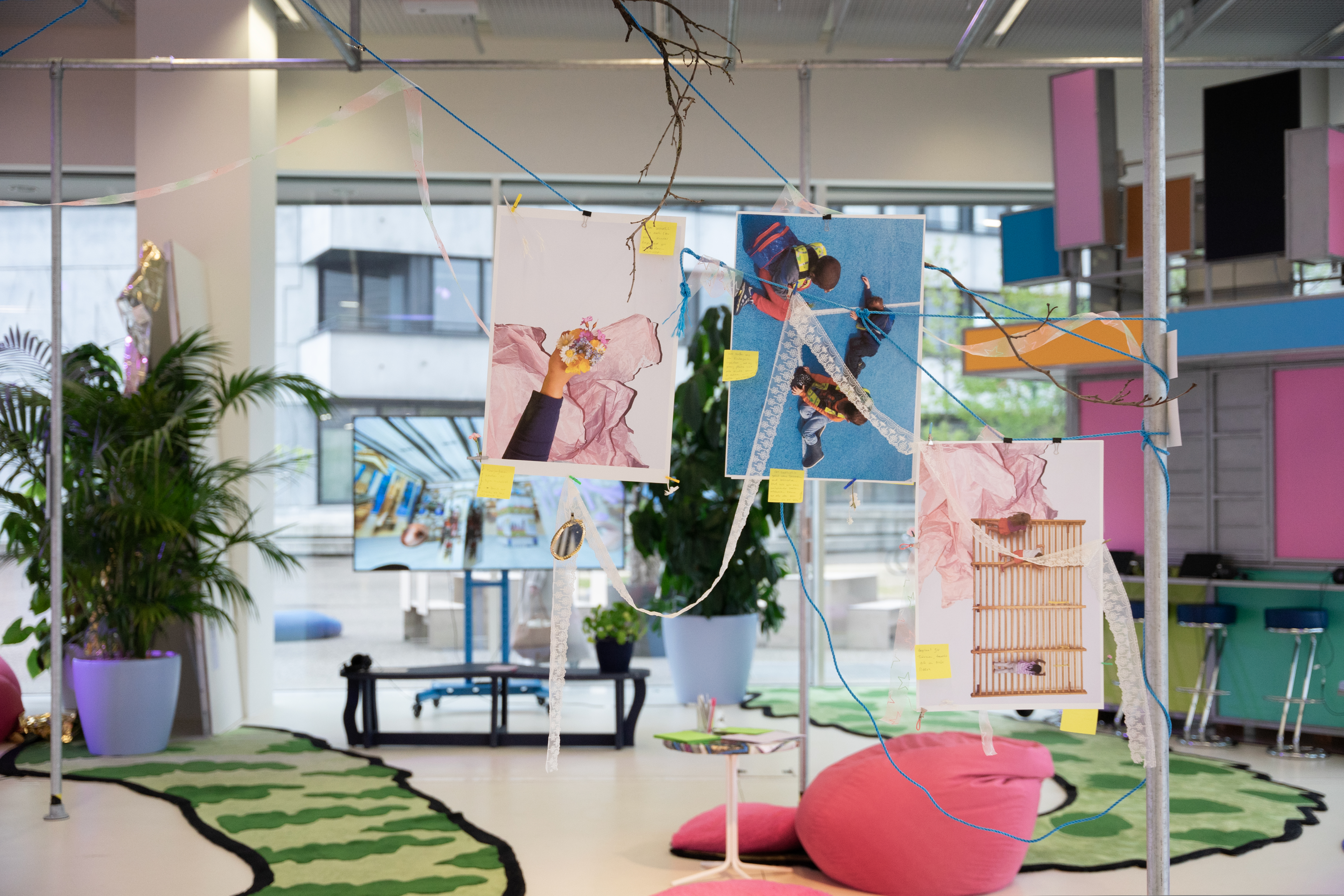
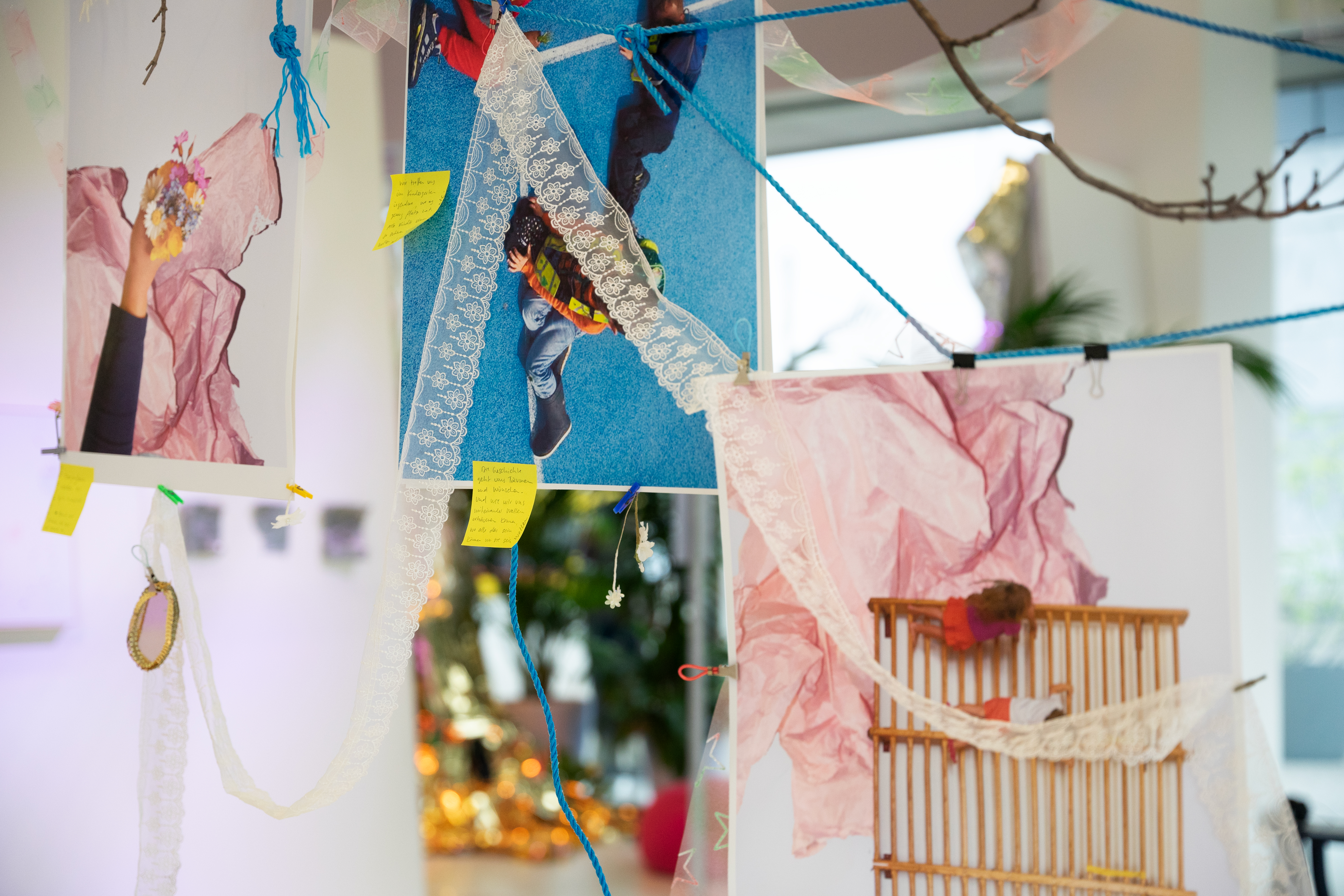
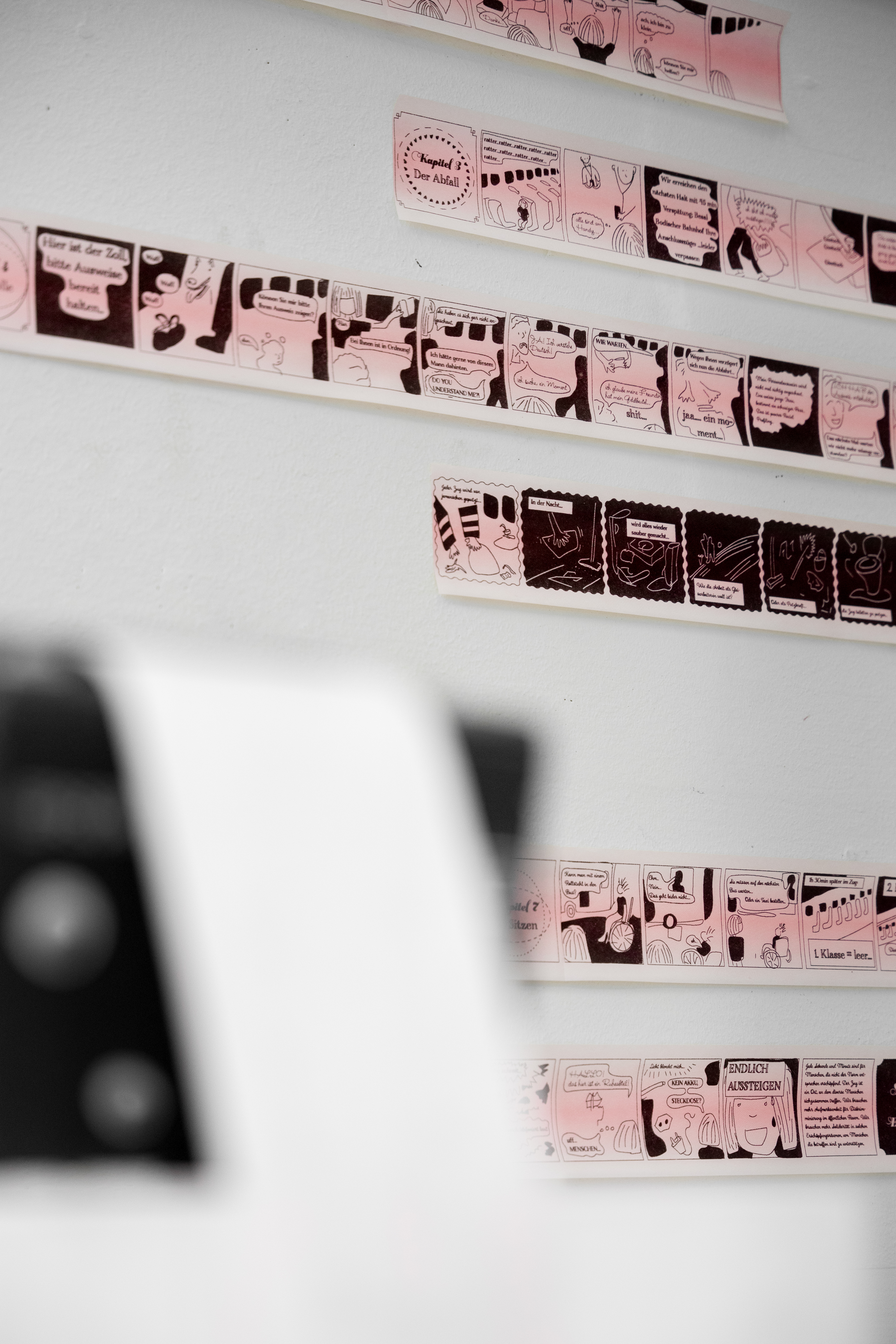
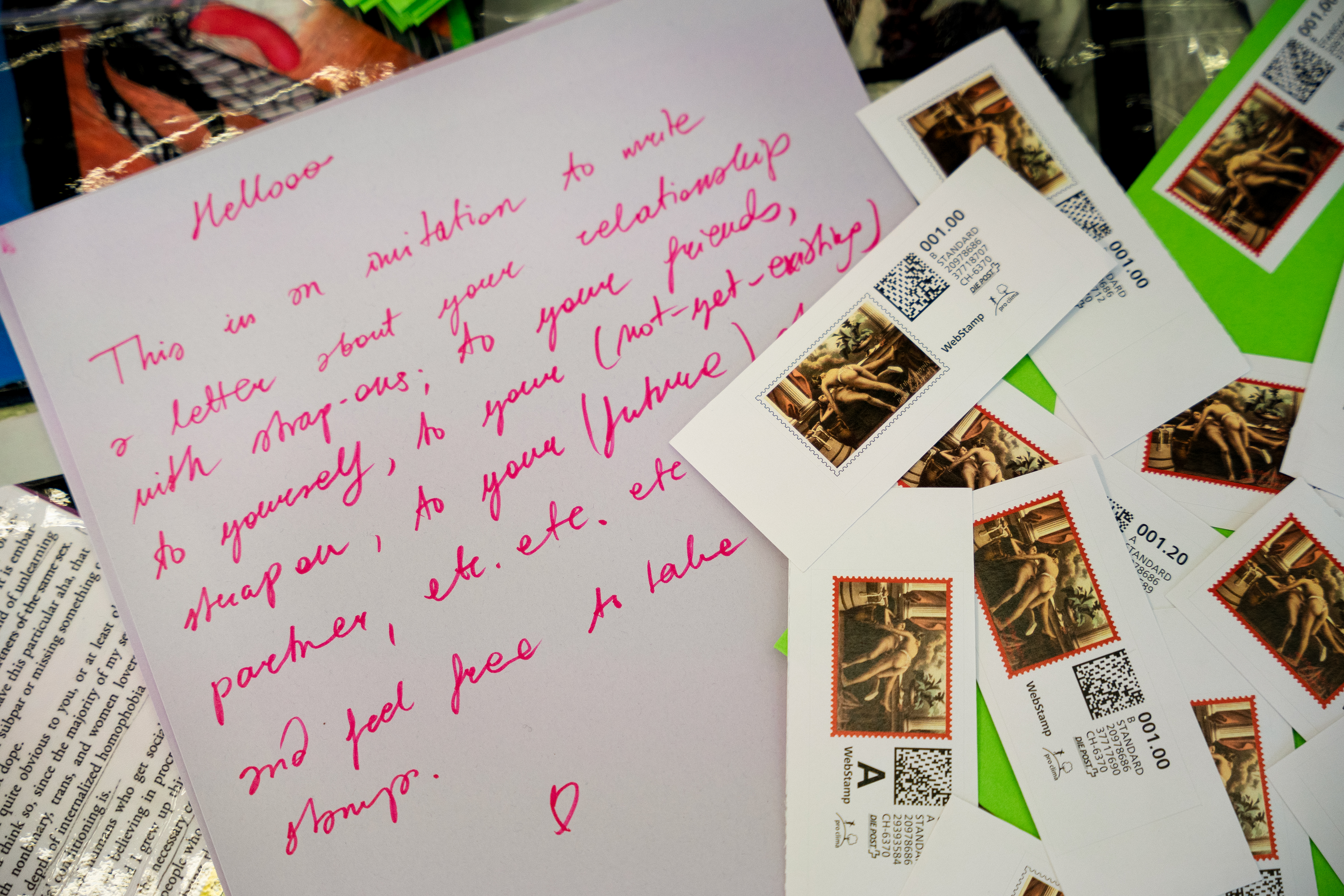
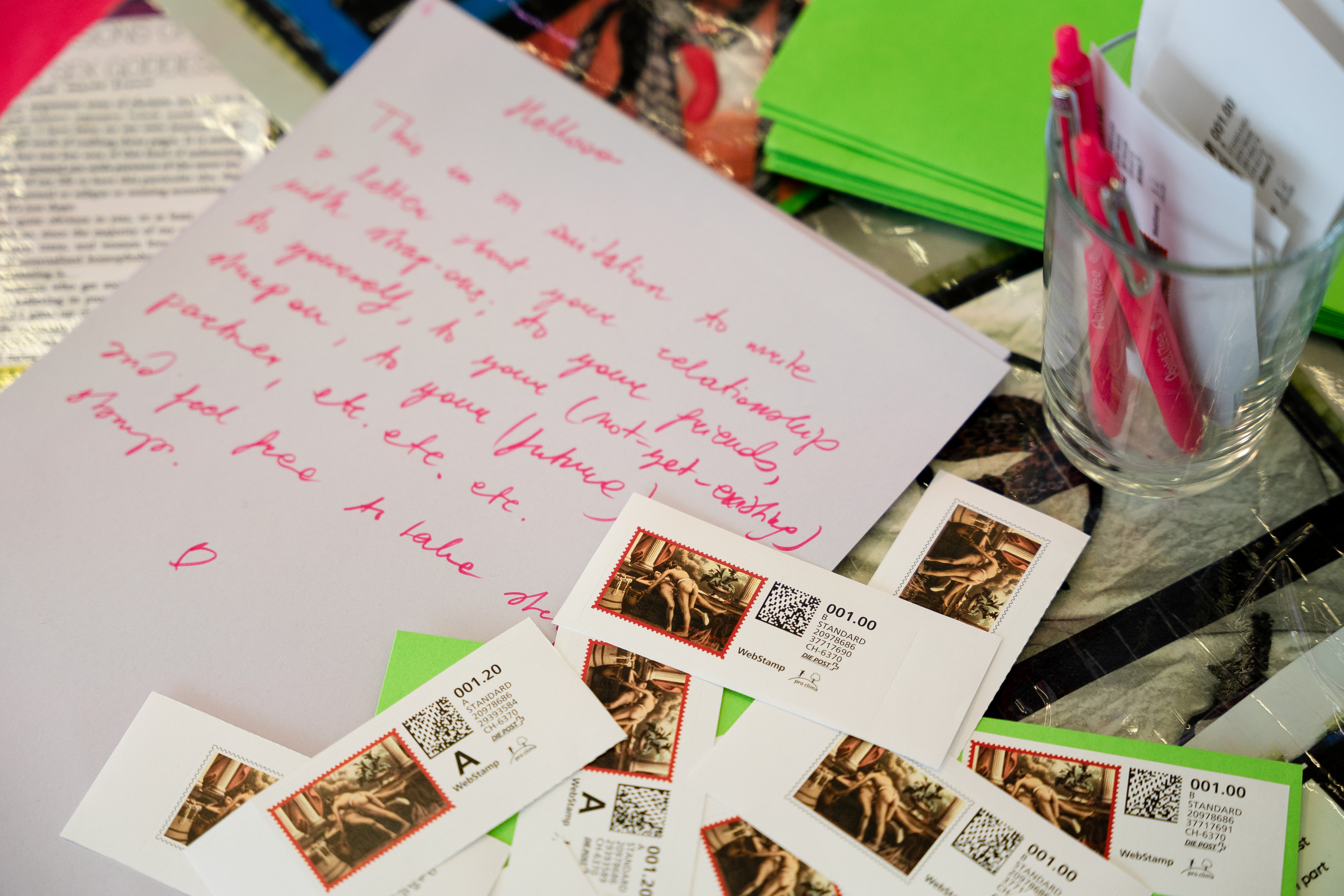
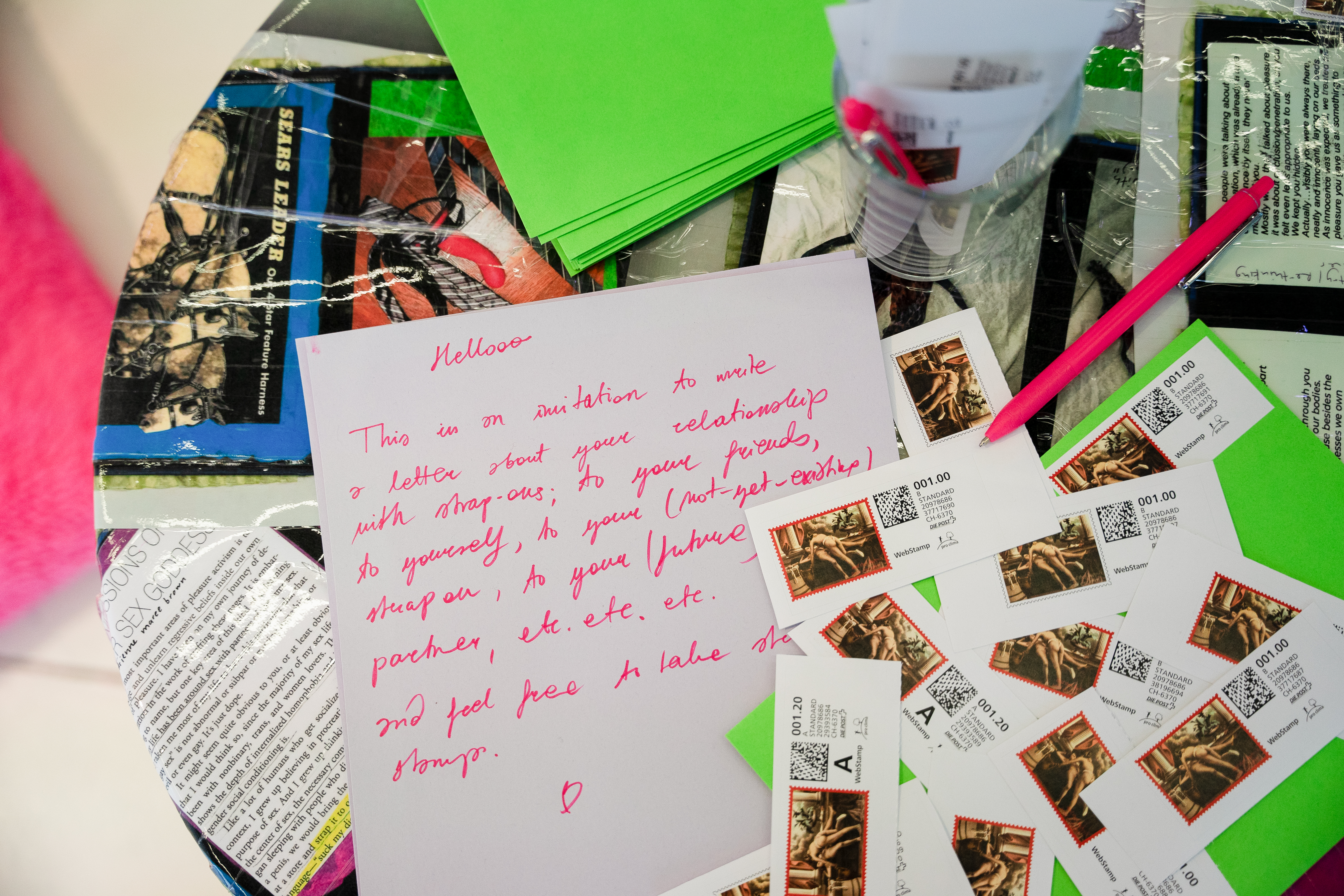
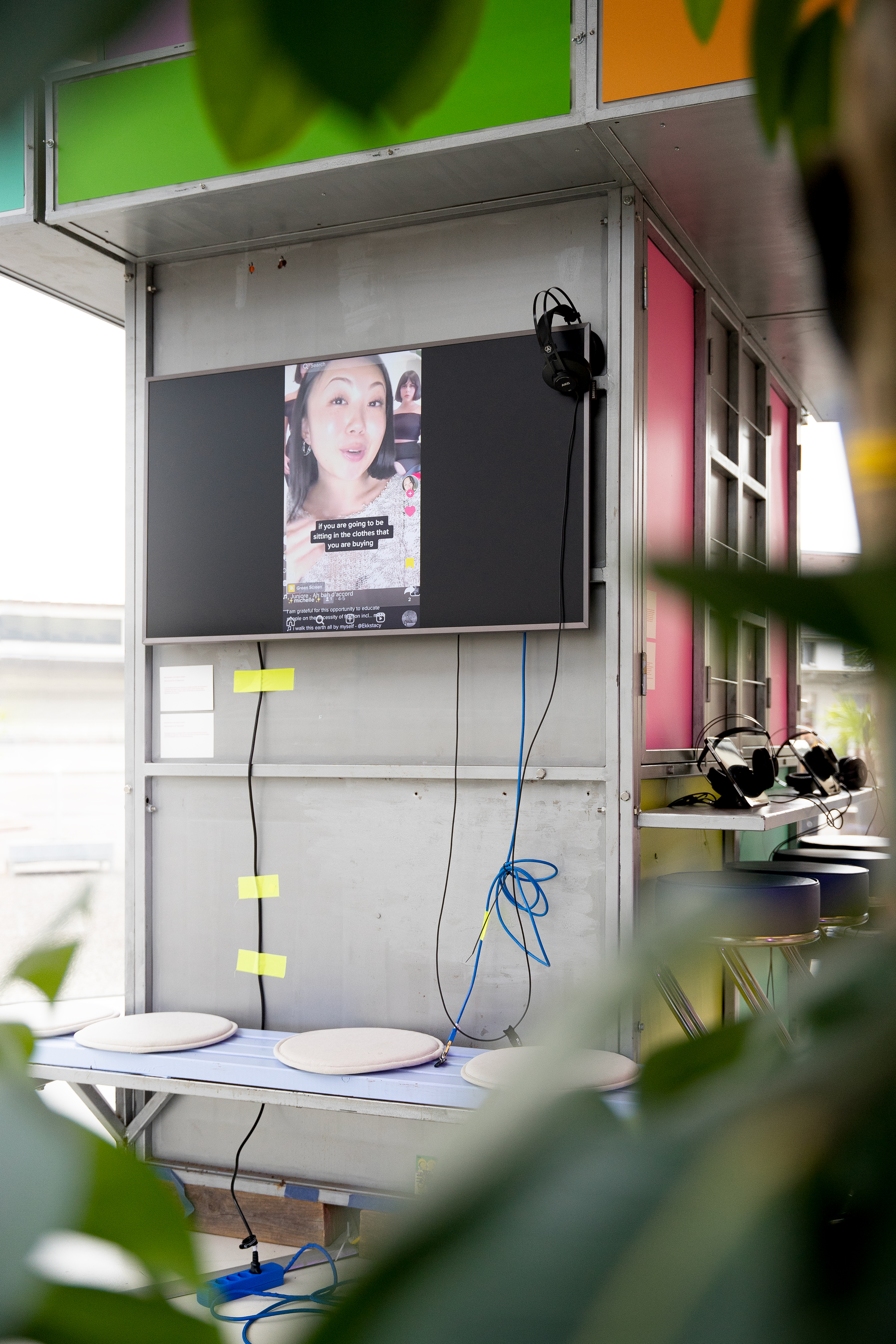
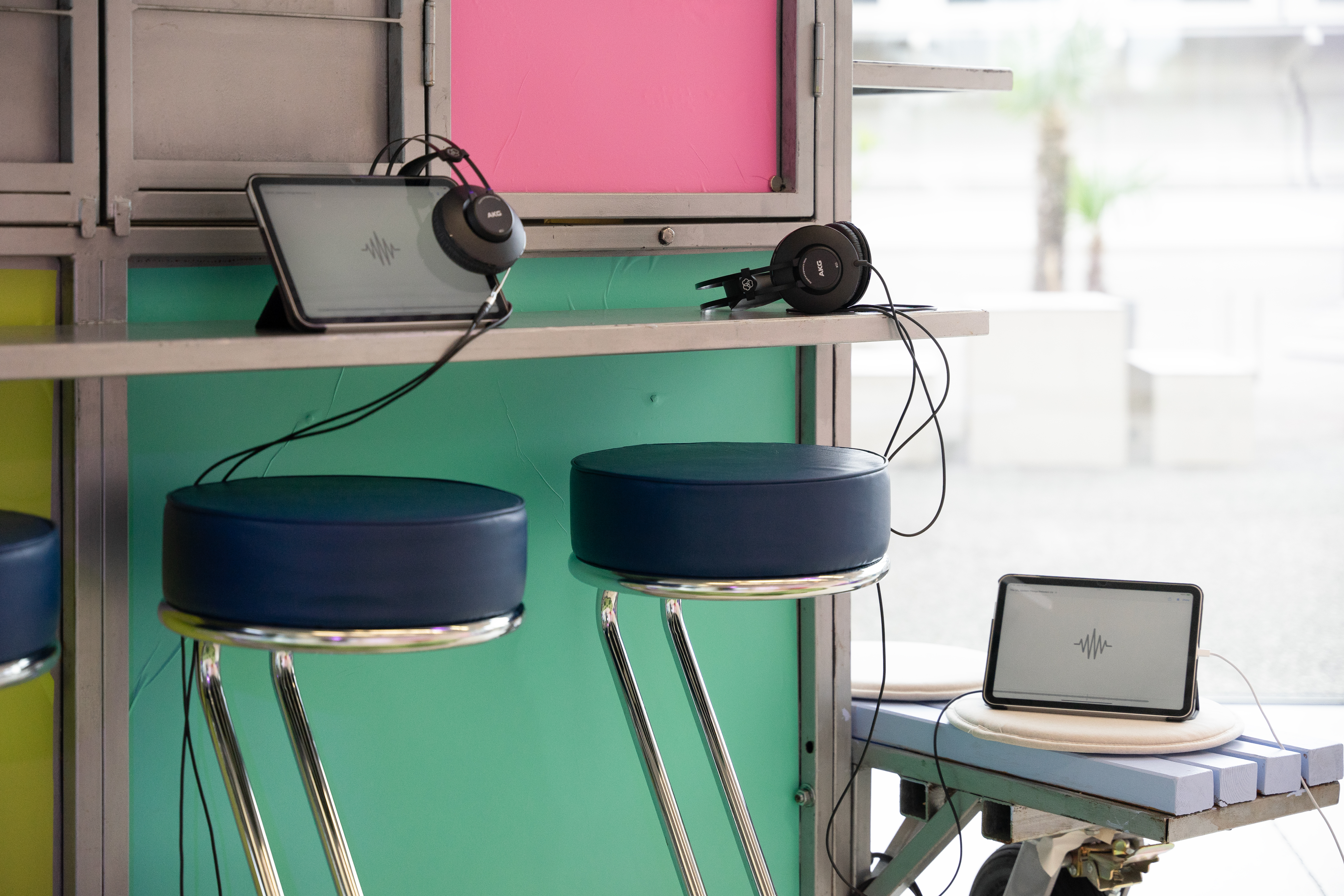
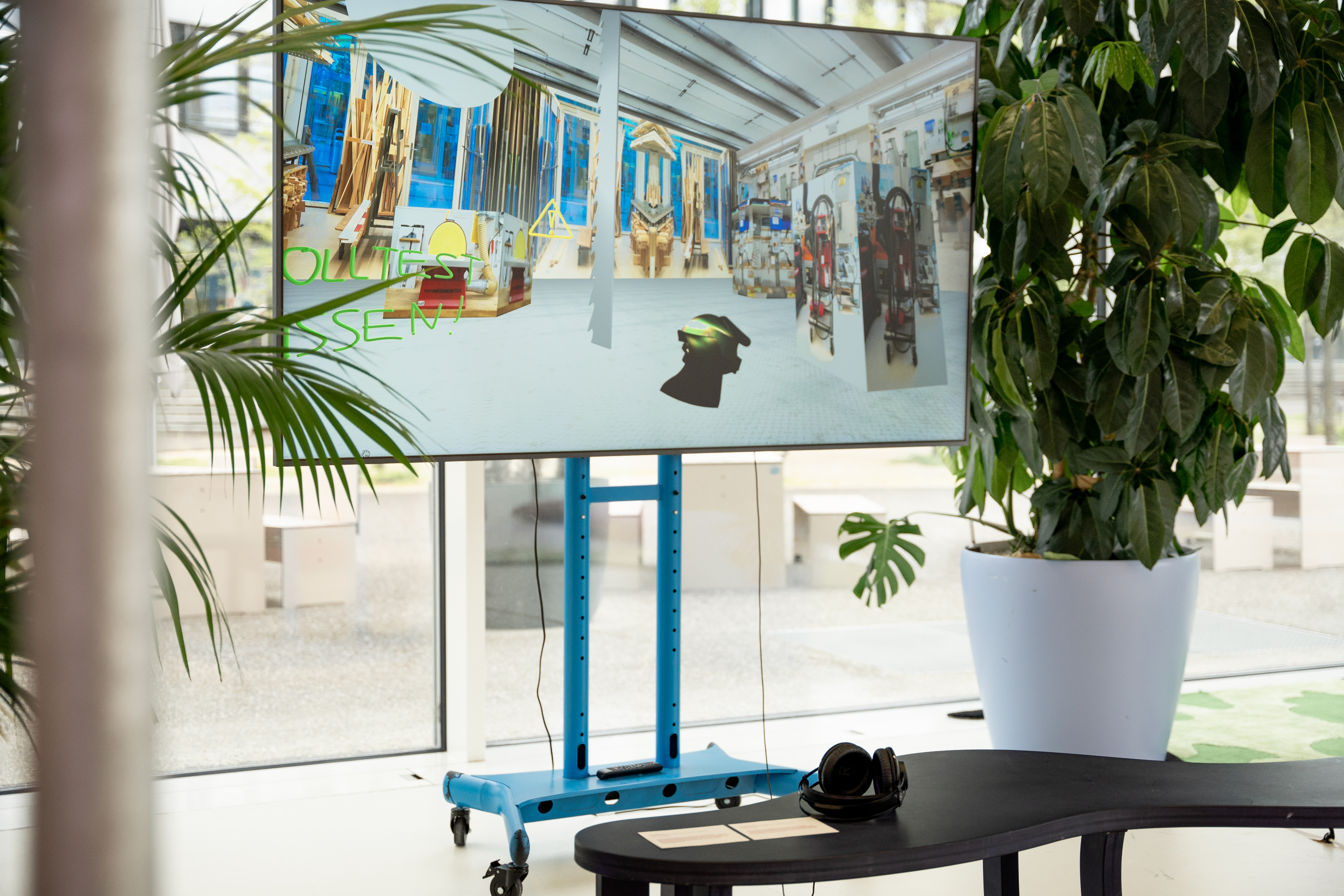
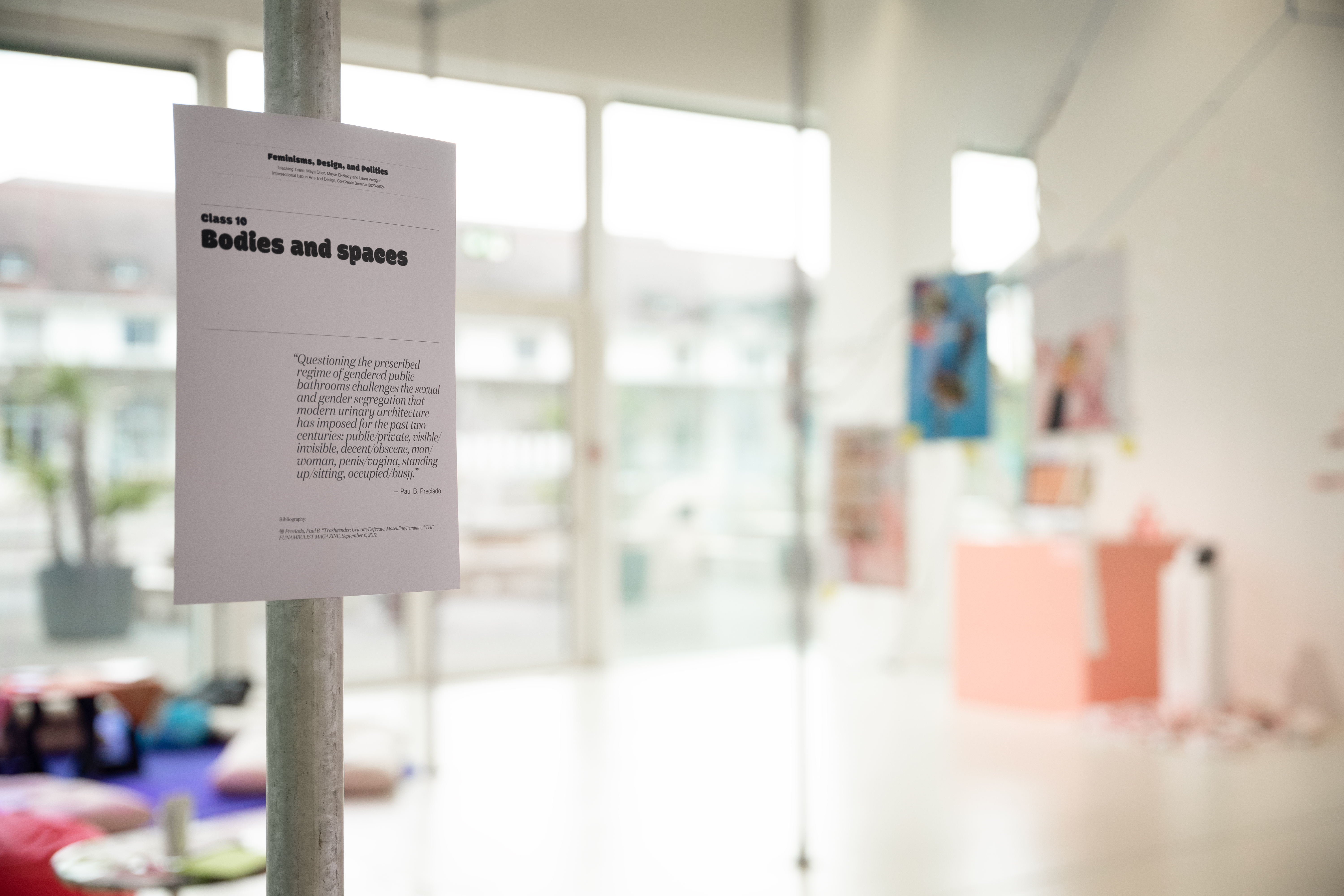
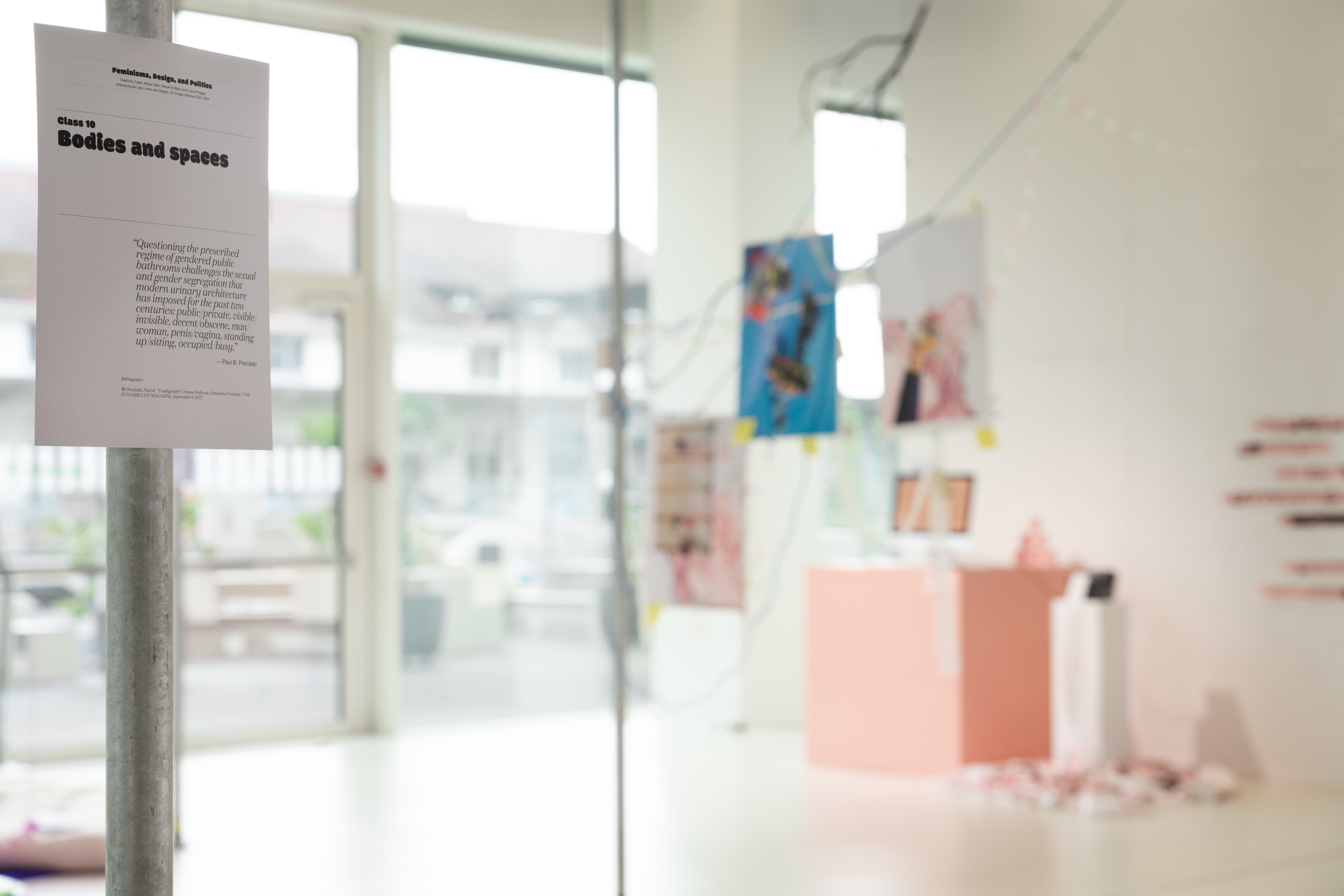
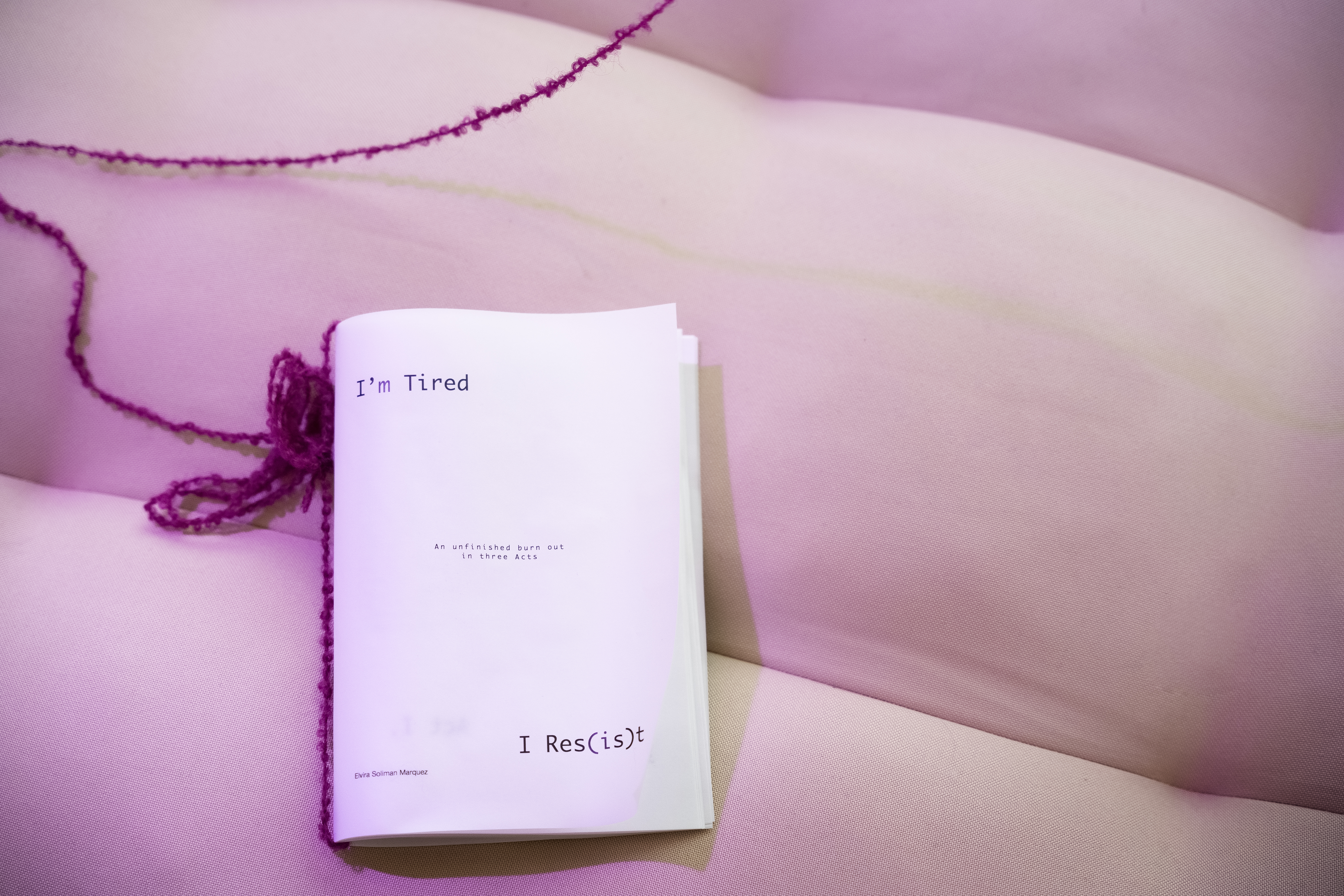
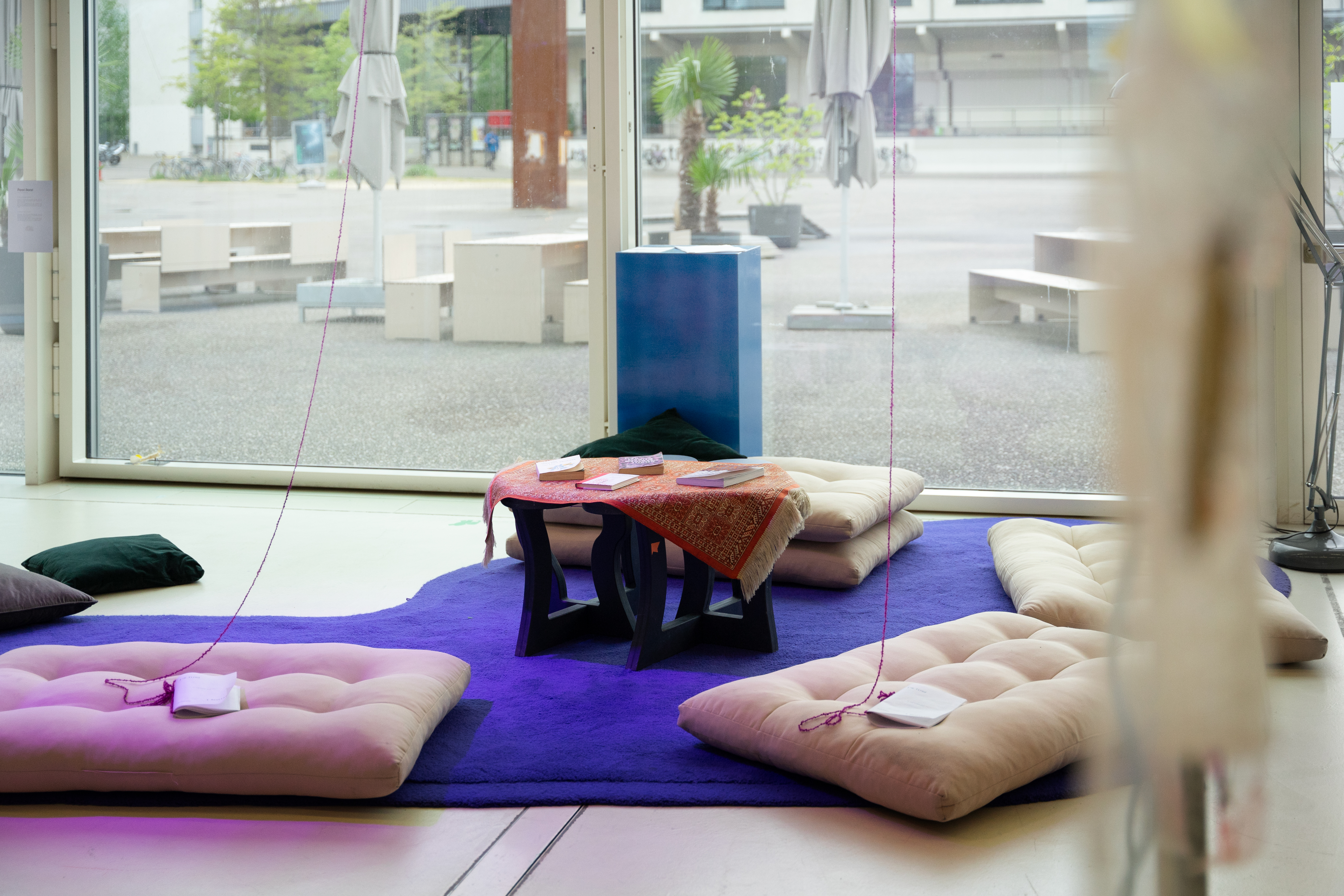
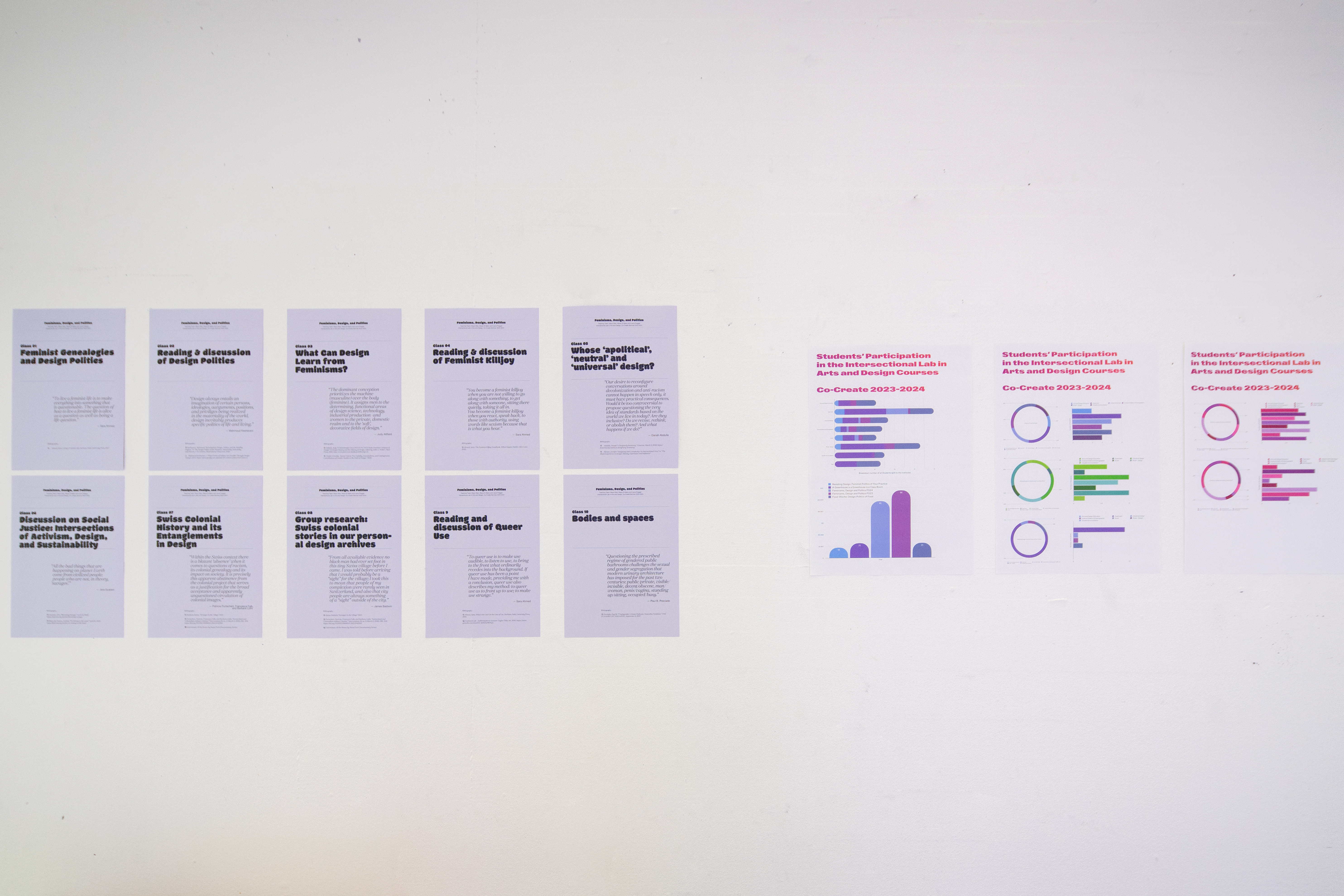
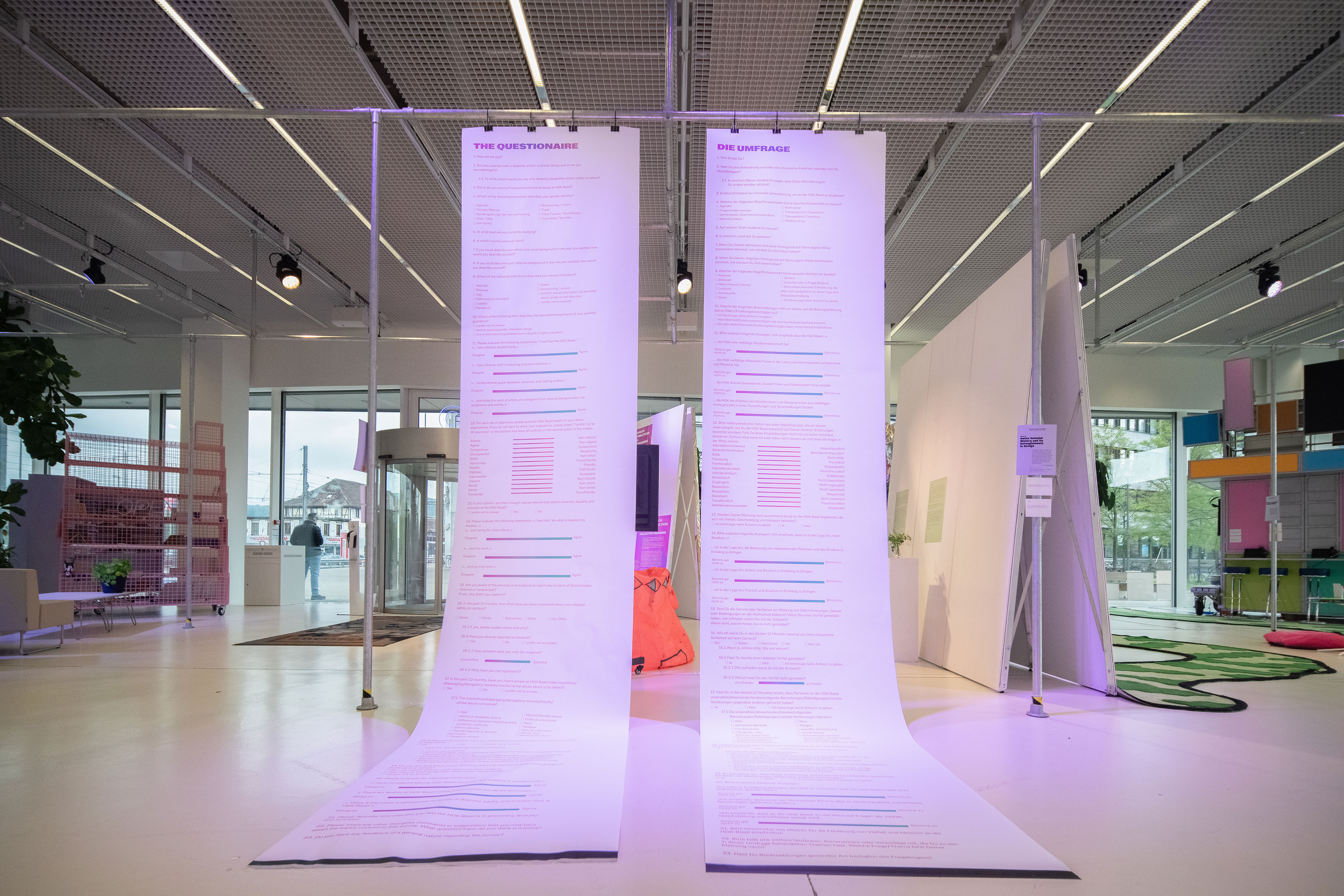
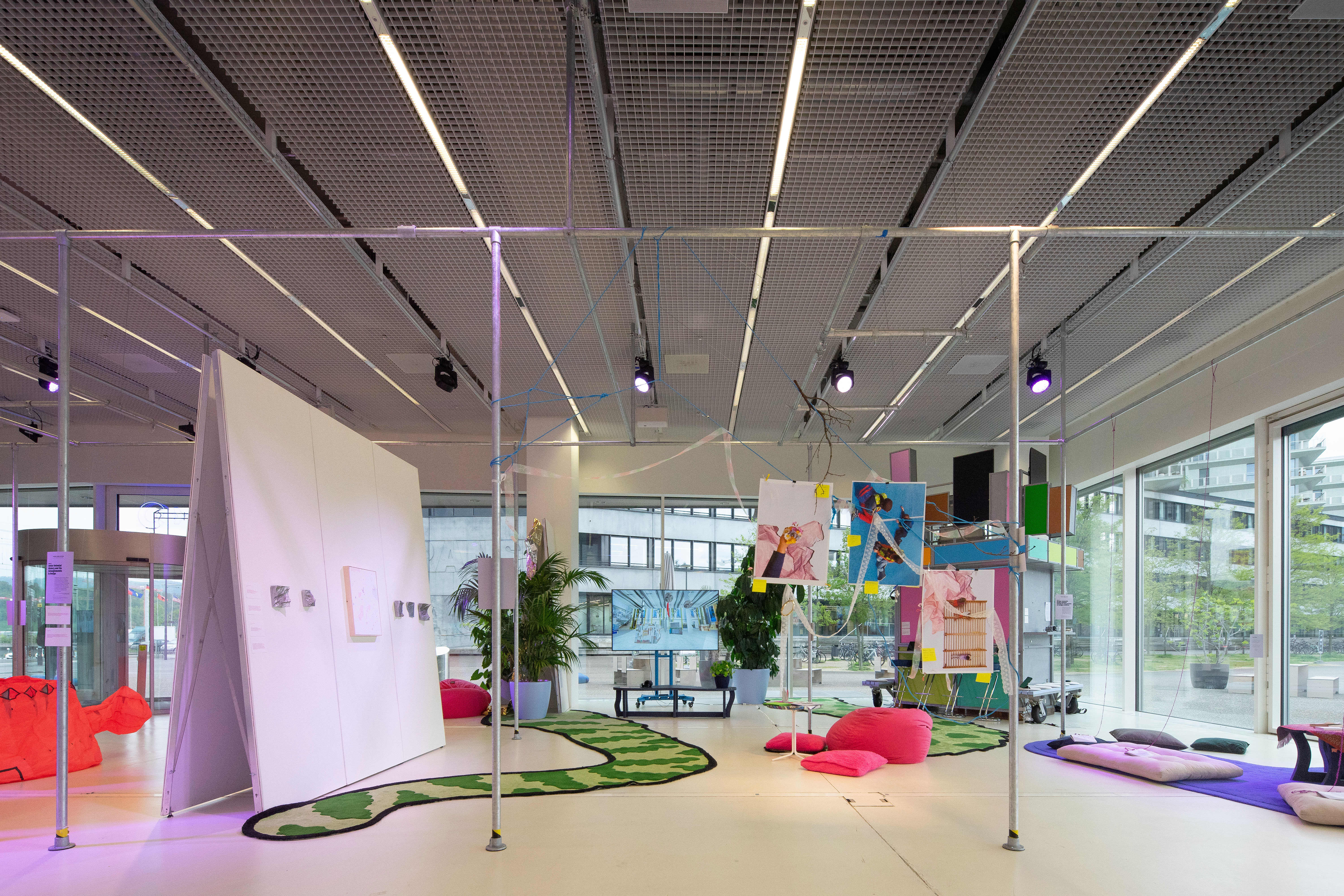
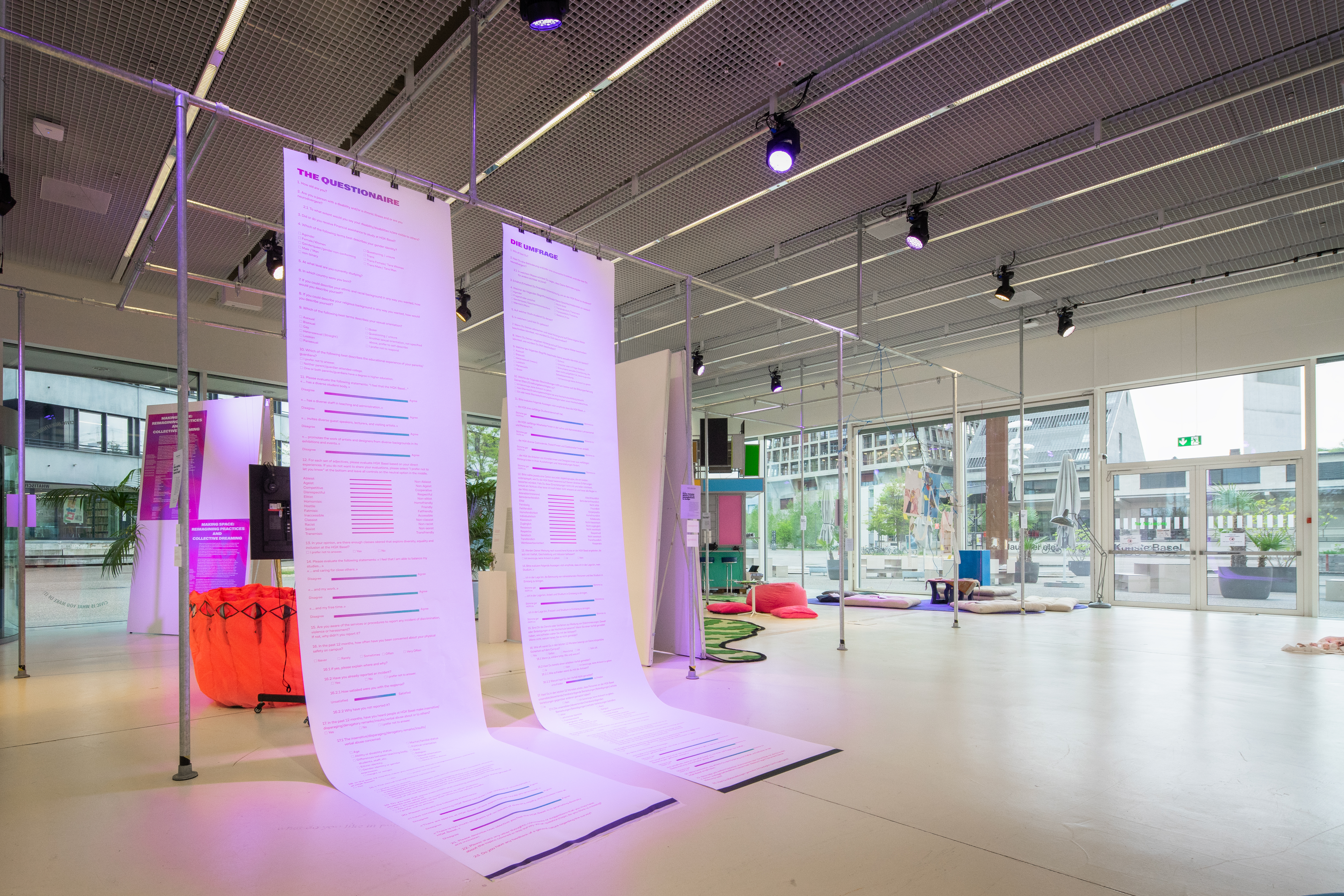
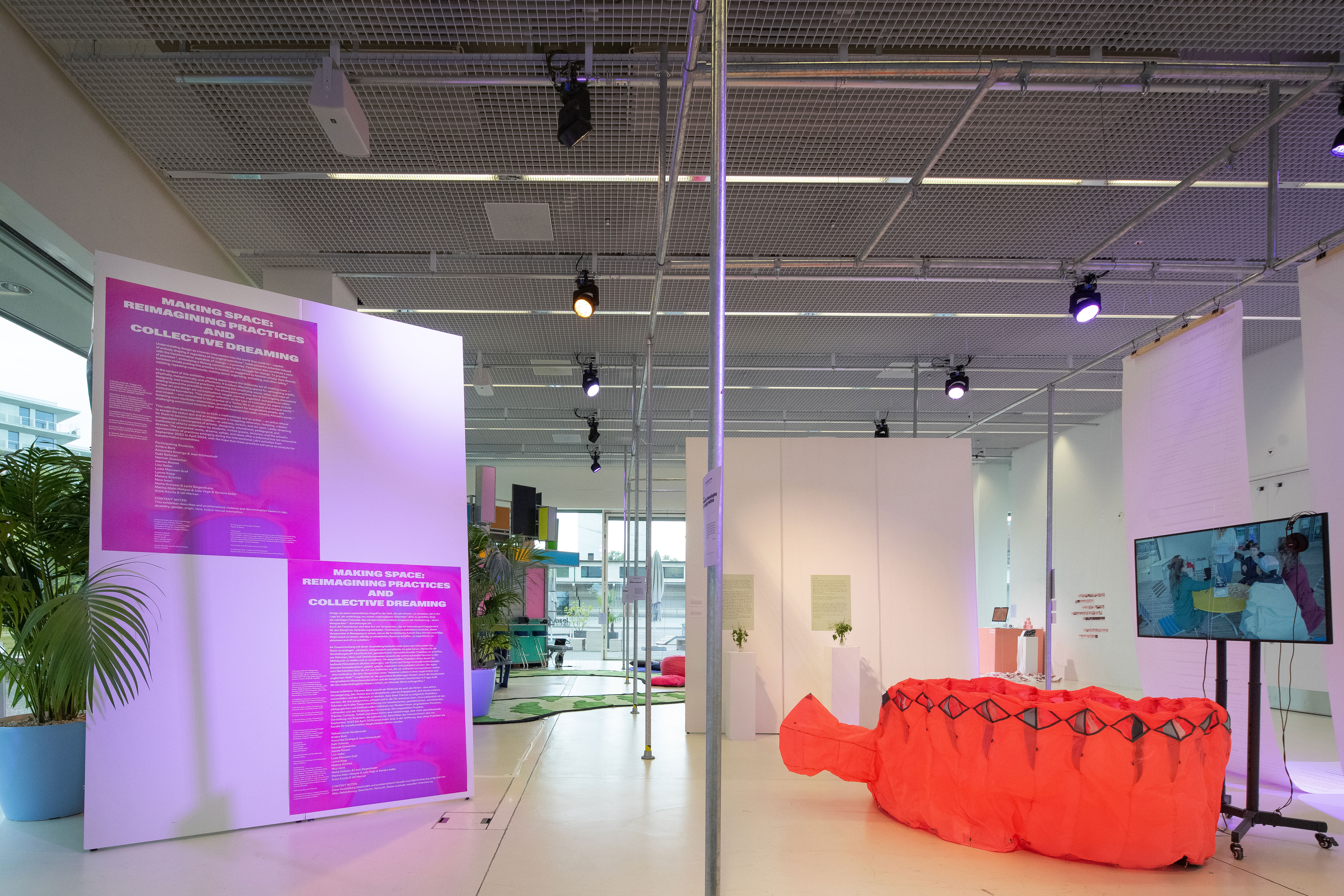
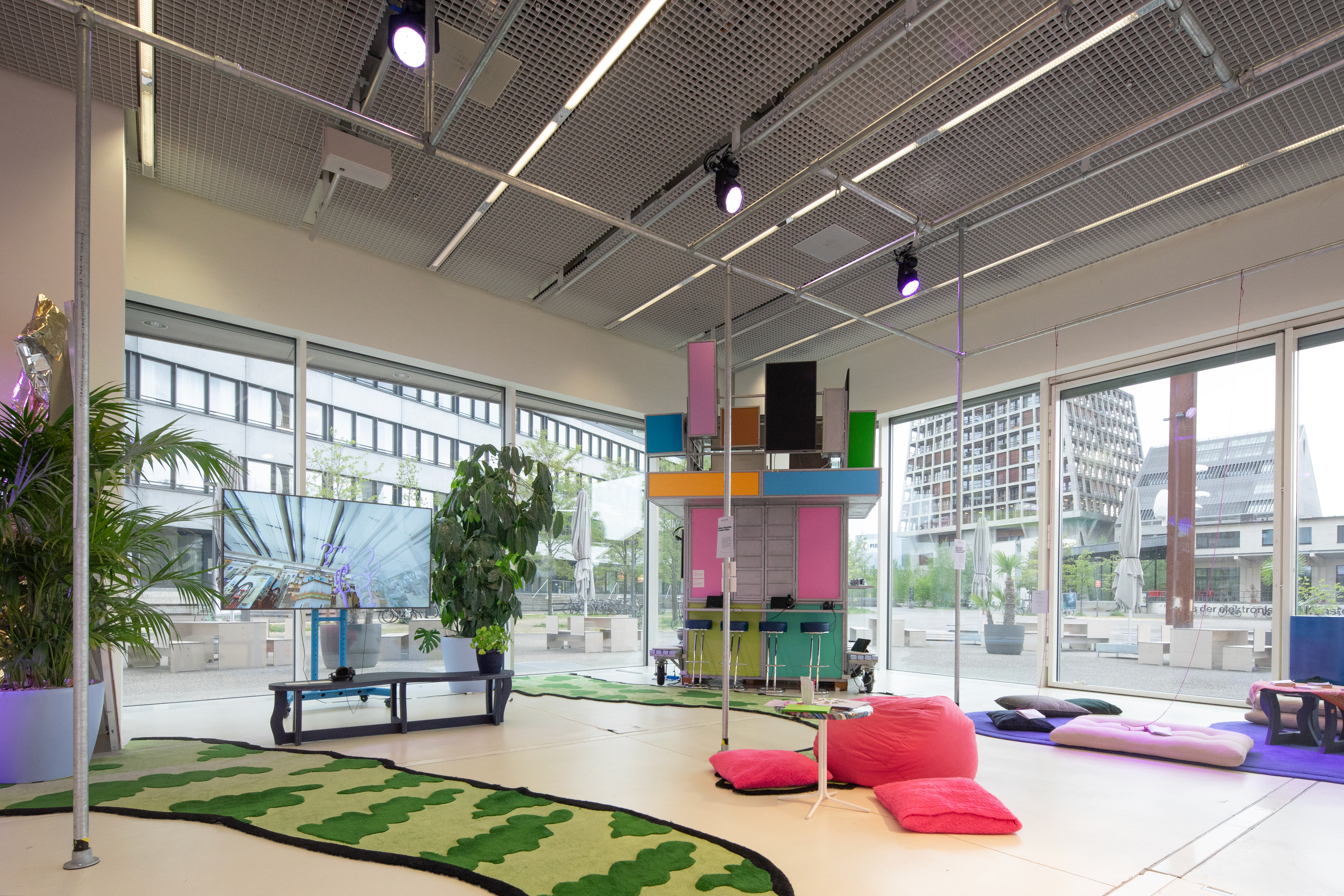
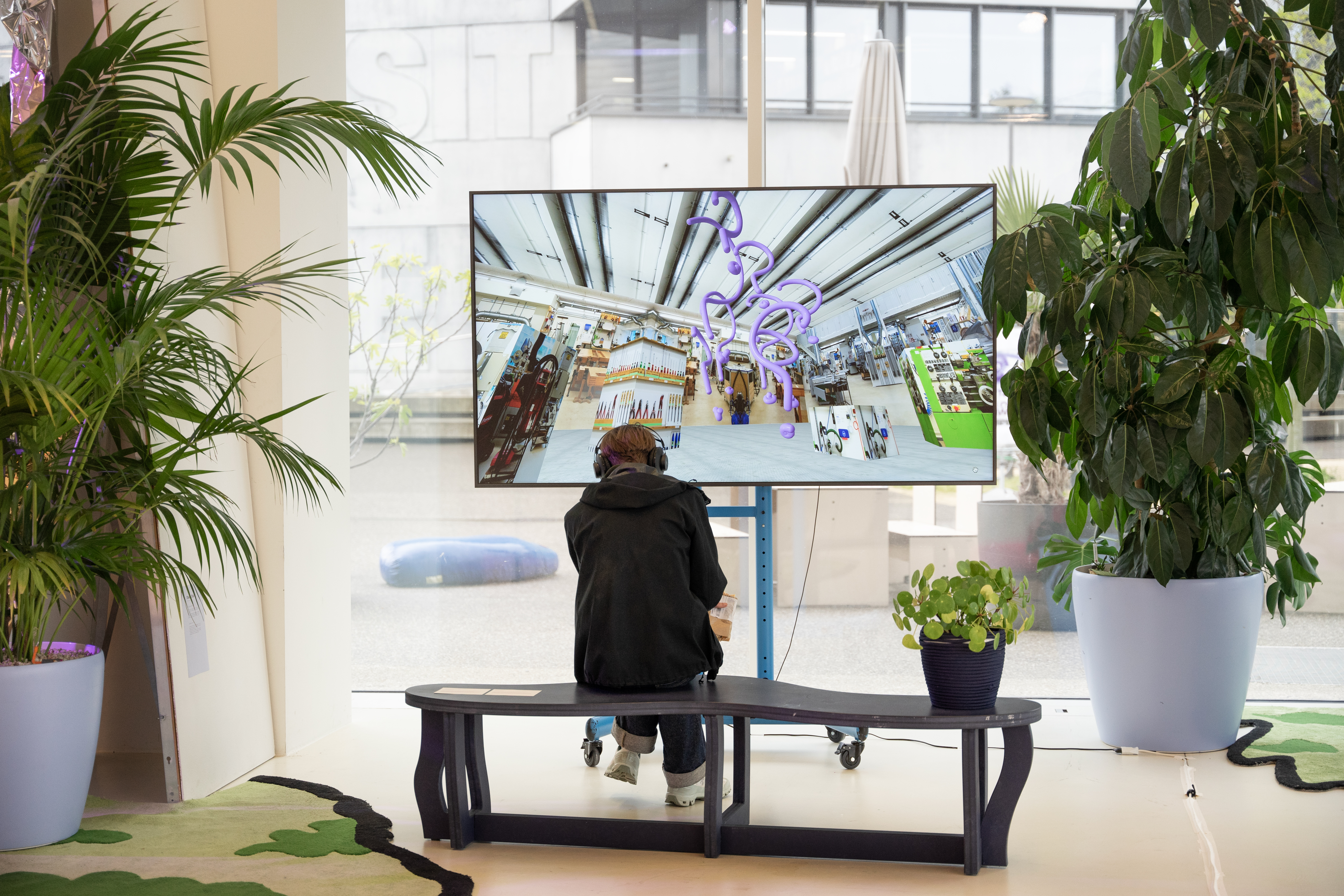
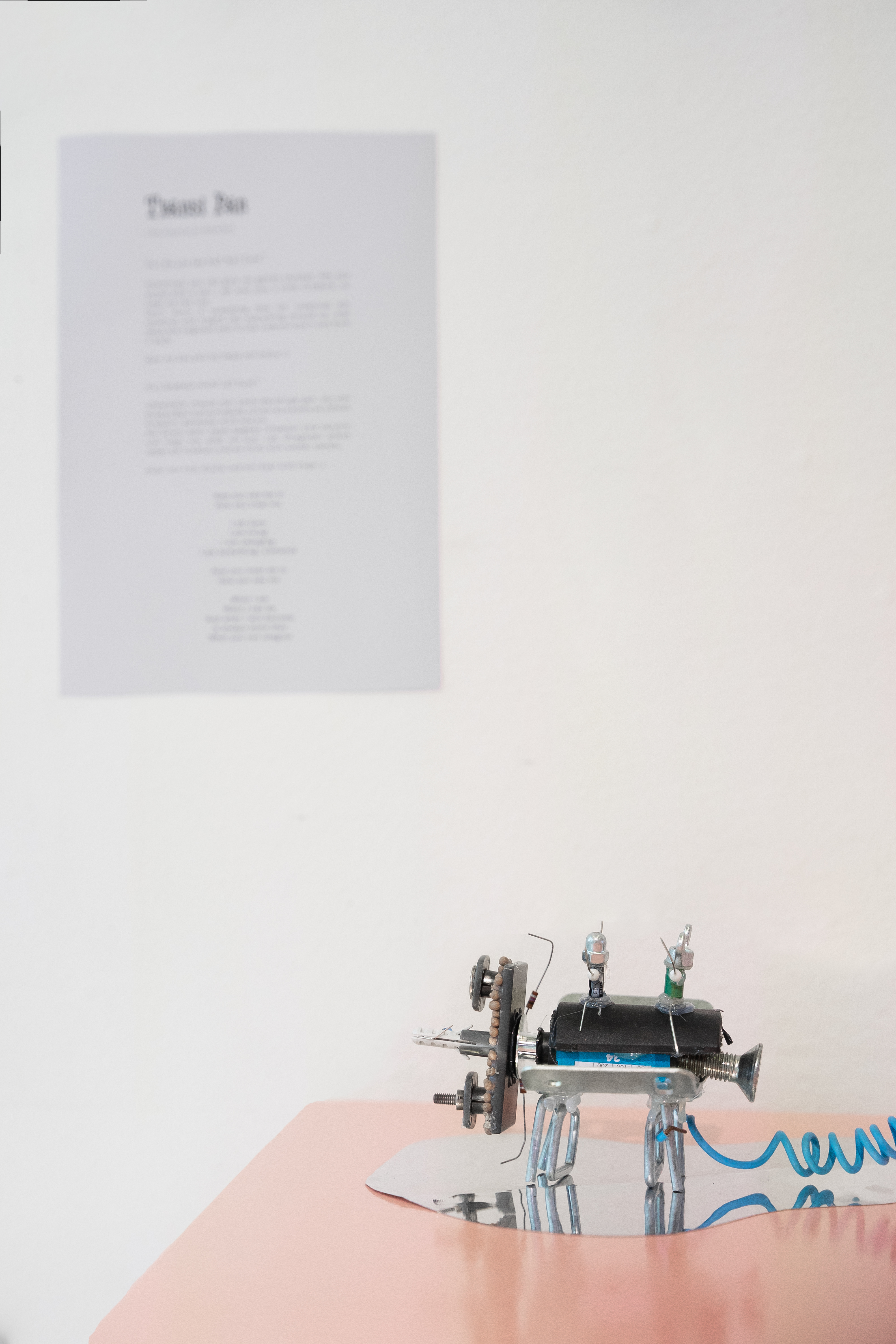
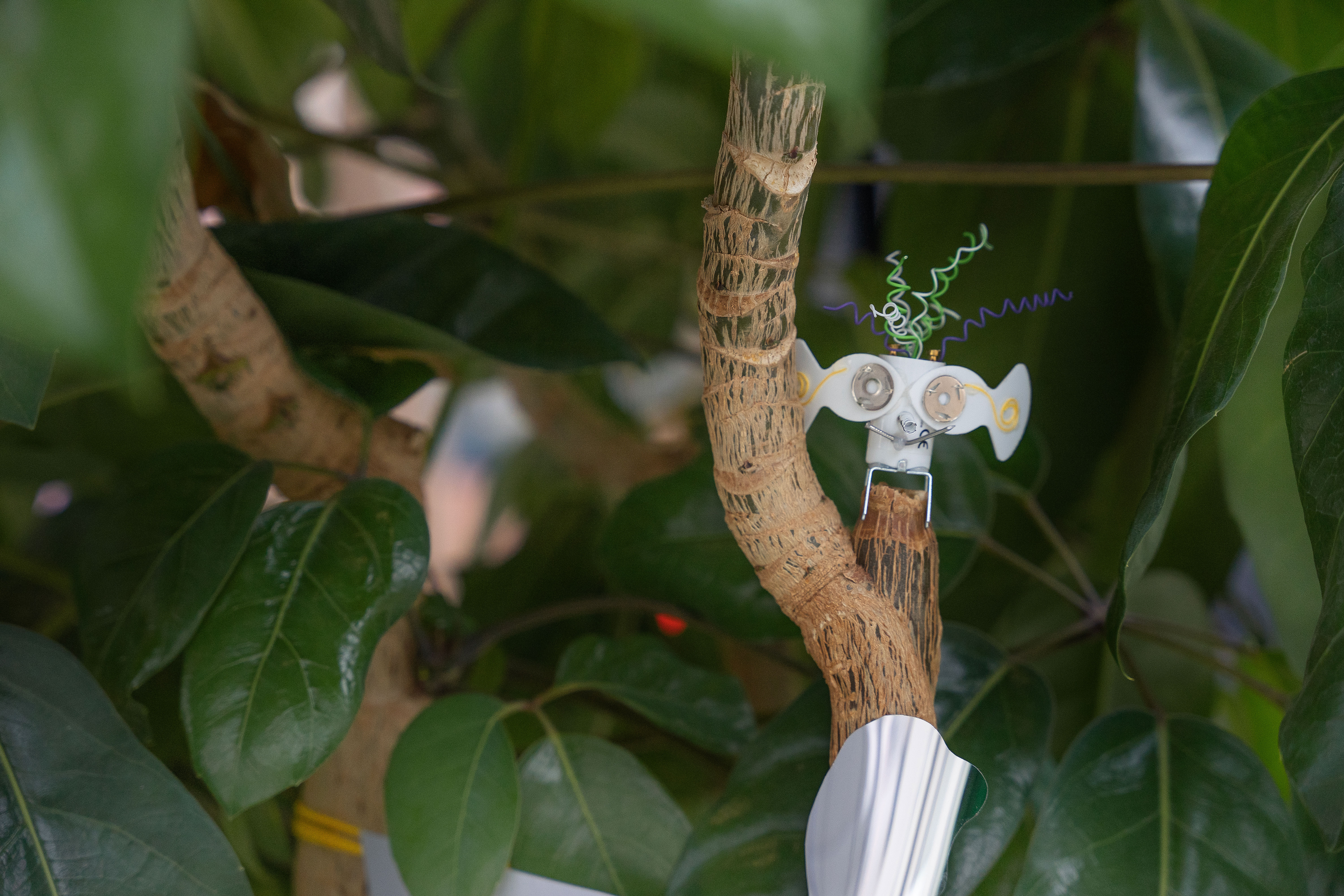
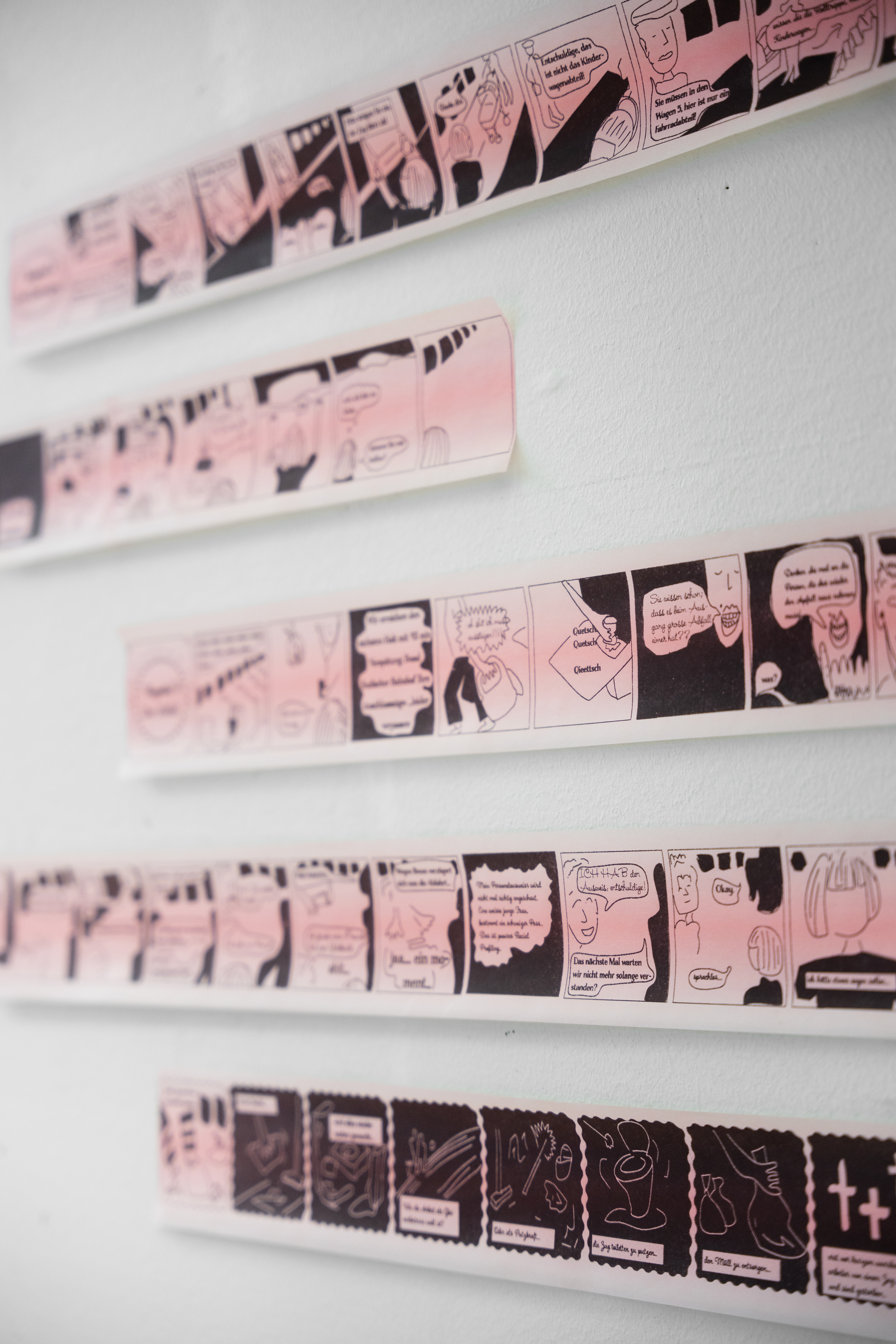
Understanding design as a human intervention into the world that could be capable of actively shaping it regardless of its original intentions holds powerful potential imbued with the transformative aspiration of change — a promise. Feminisms also constitute a zone of promises, embodying a lifelong commitment to the struggle for change. To practice feminism entails putting this promise in motion, as suggested by feminist scholar Sara Ahmed, resisting, repeating continuously, making space, organizing, activating, and often failing.
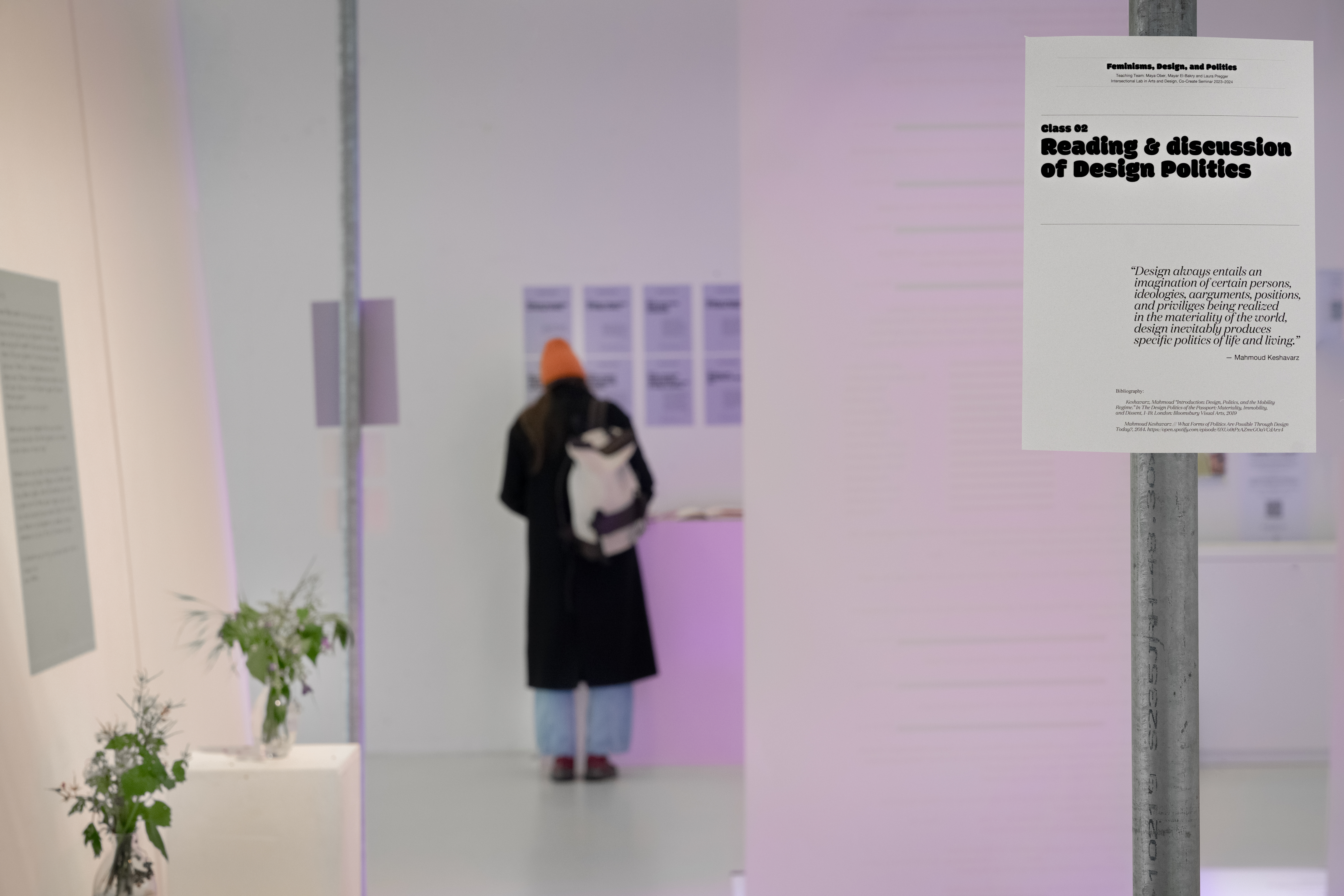
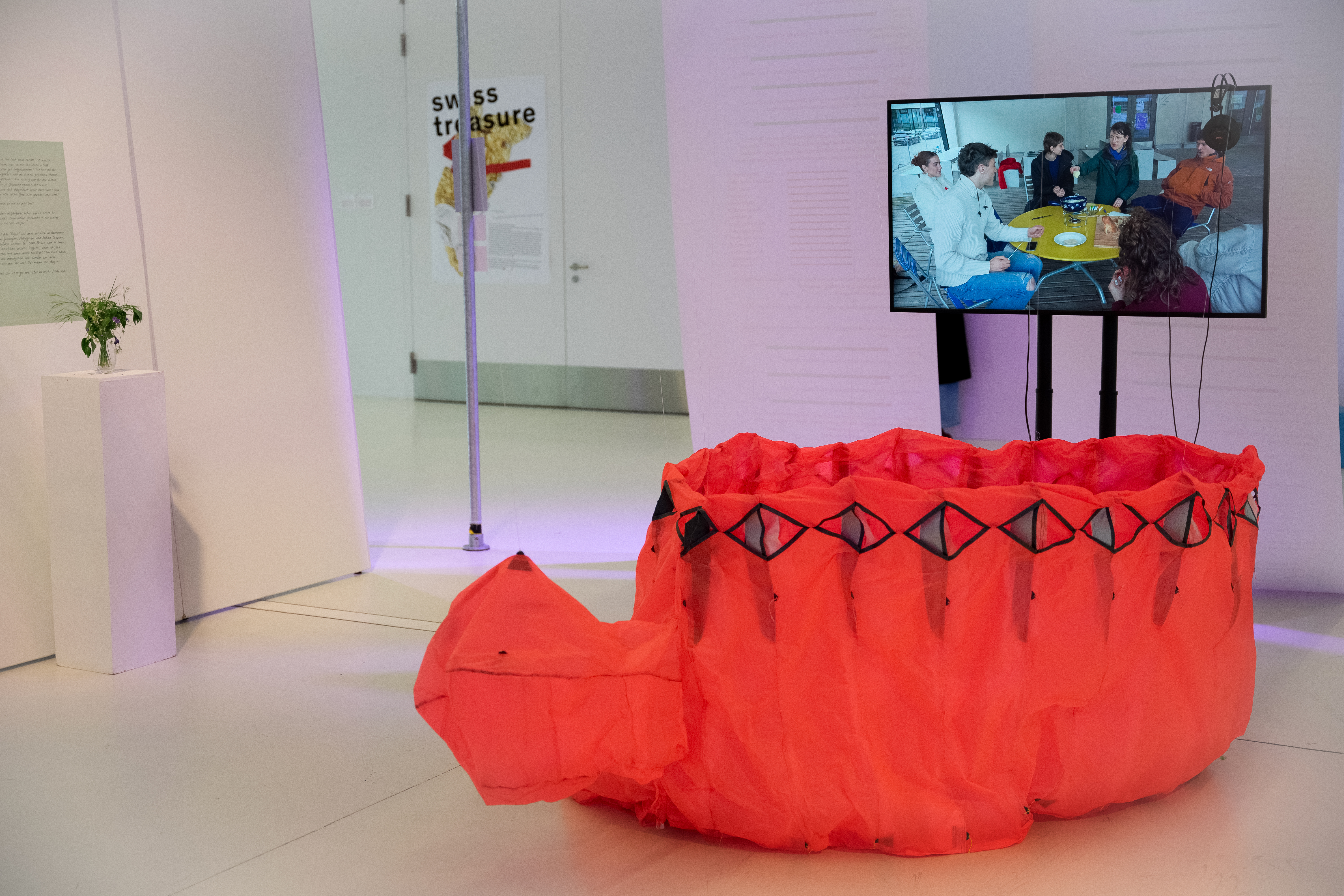
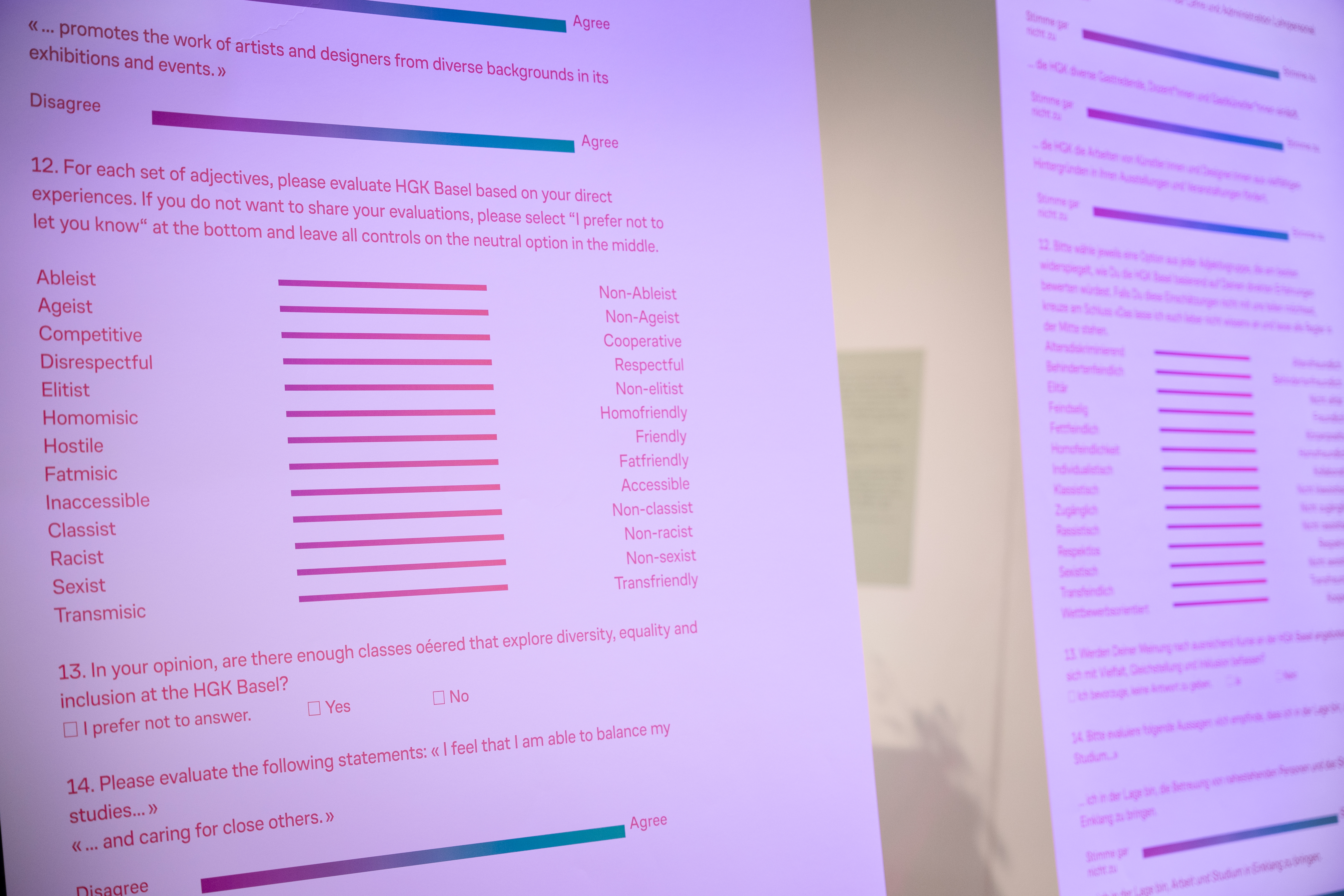
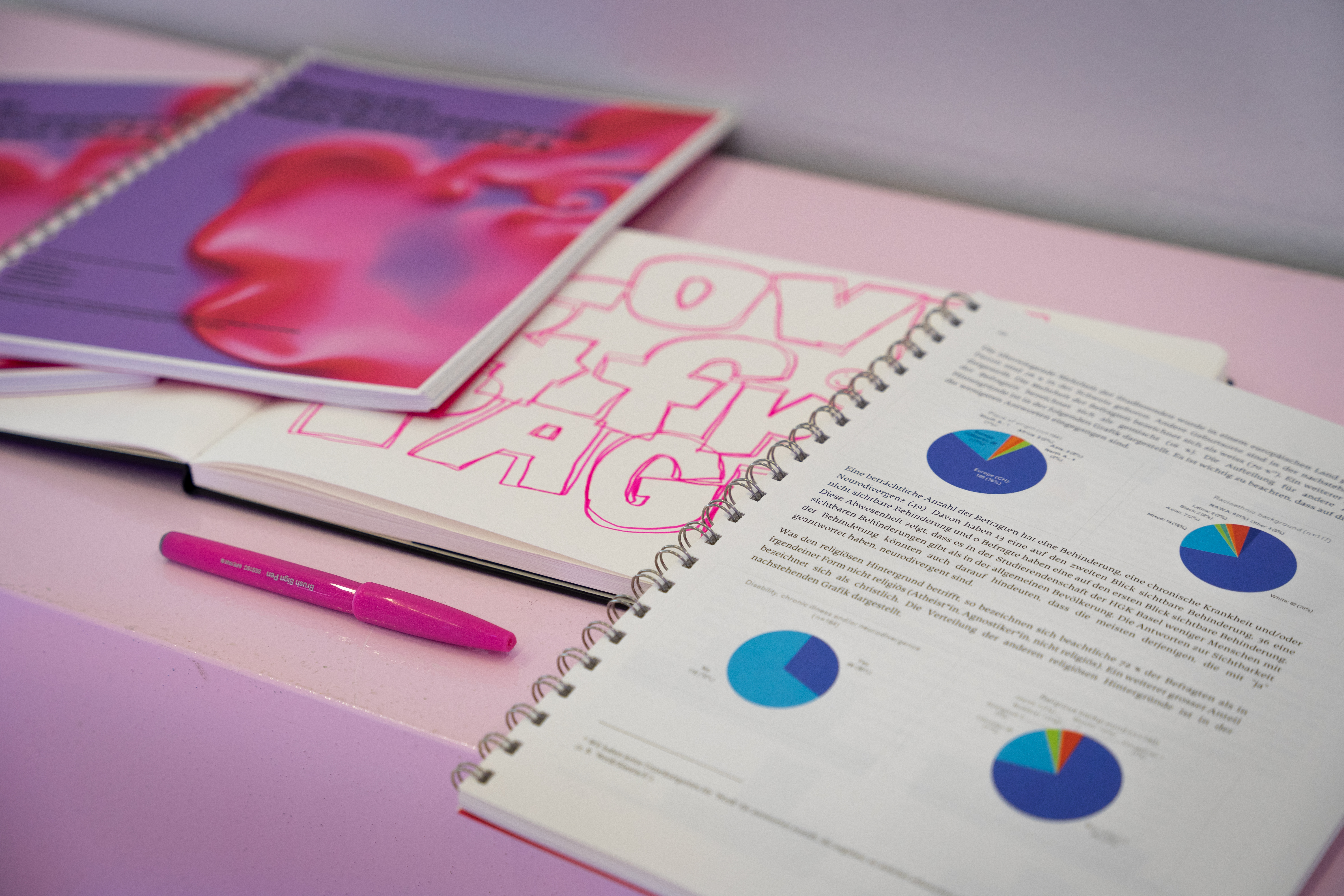
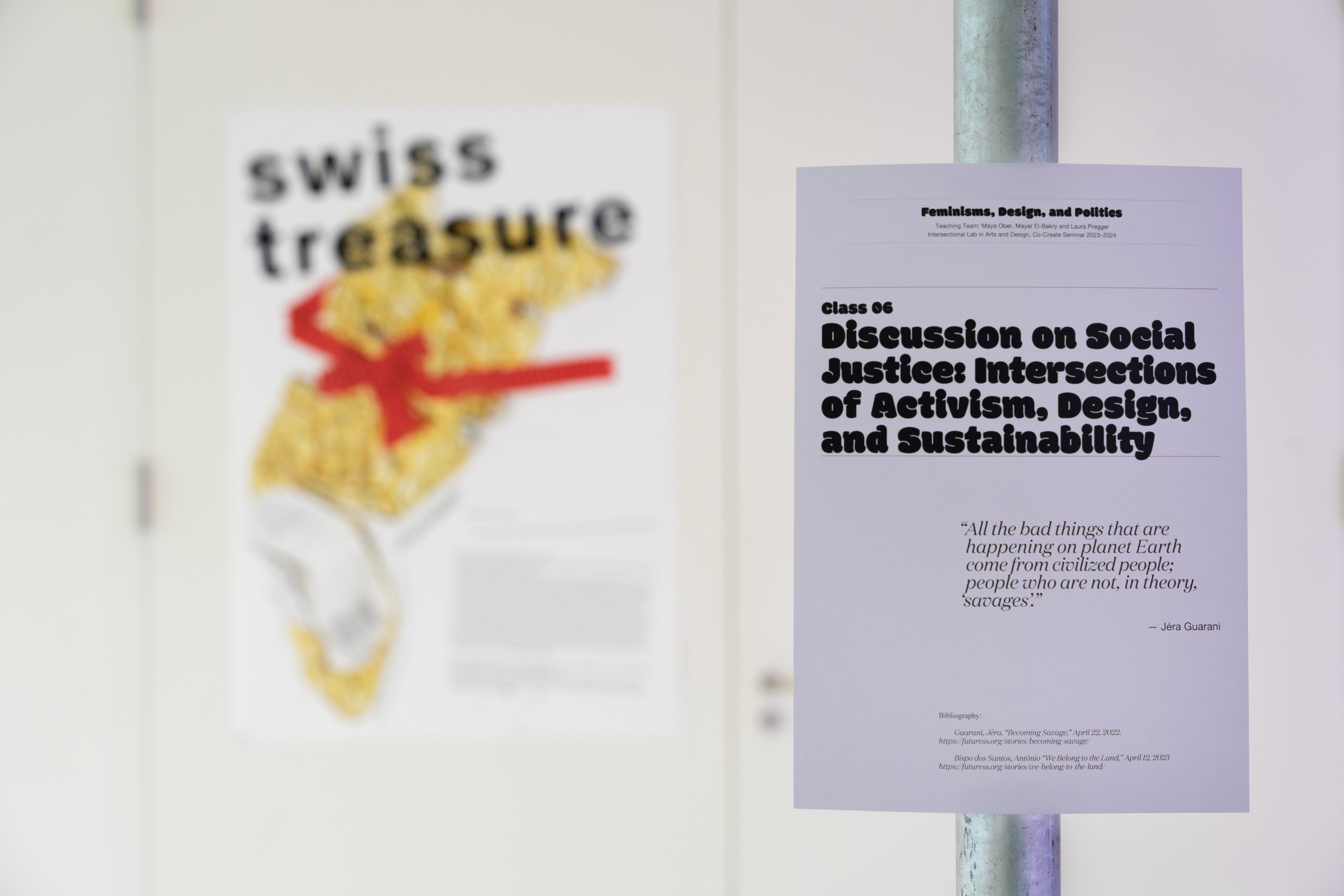
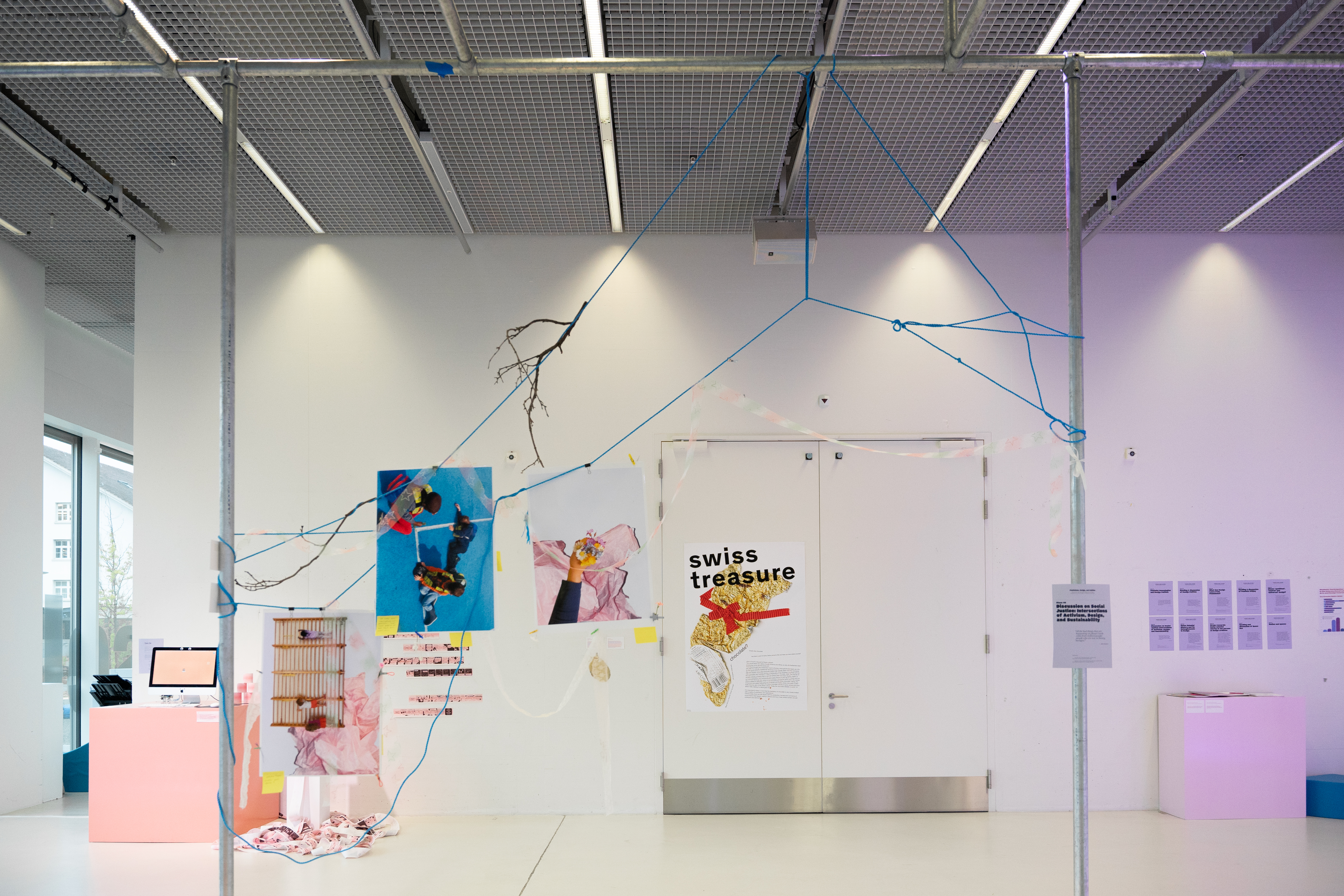
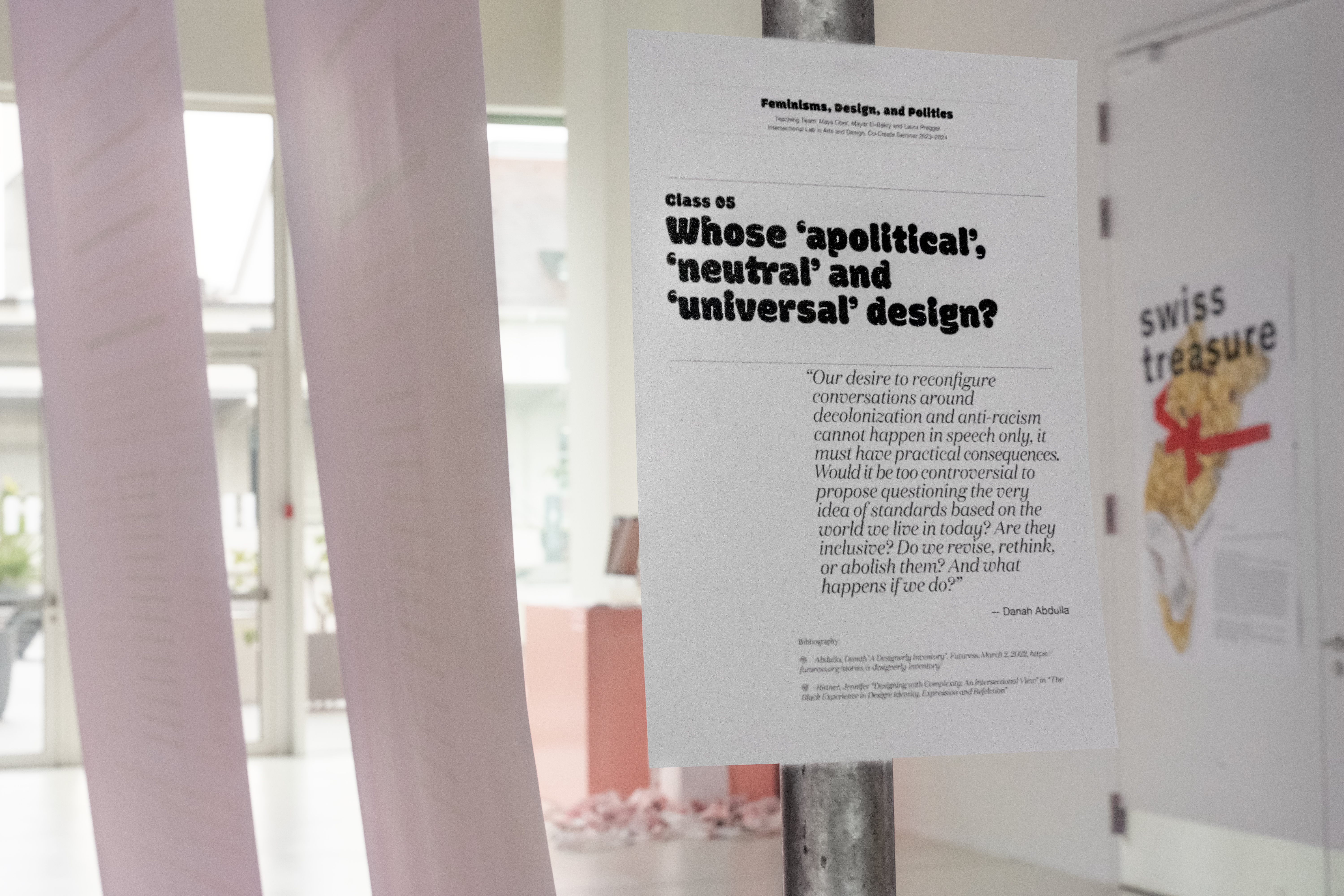
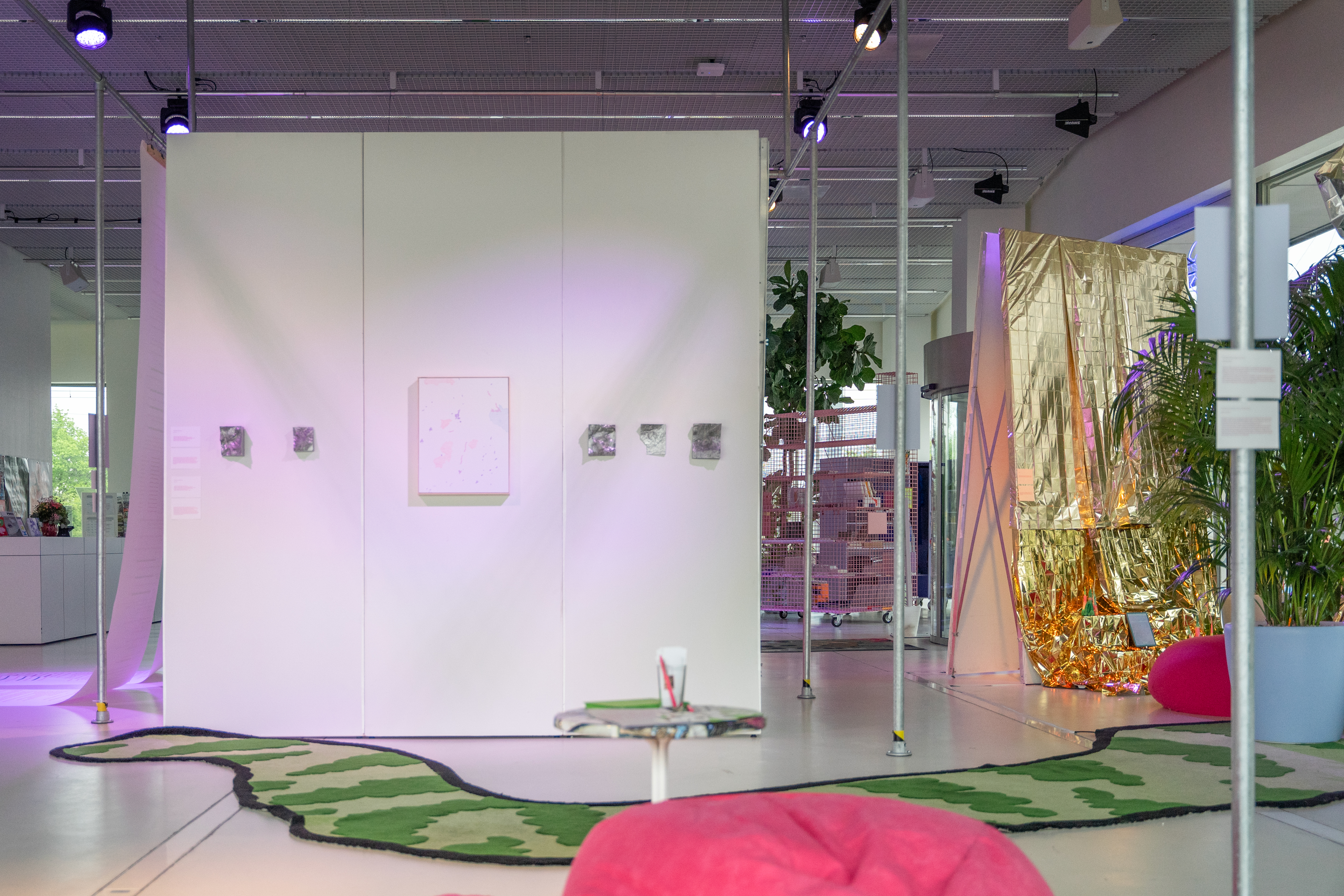
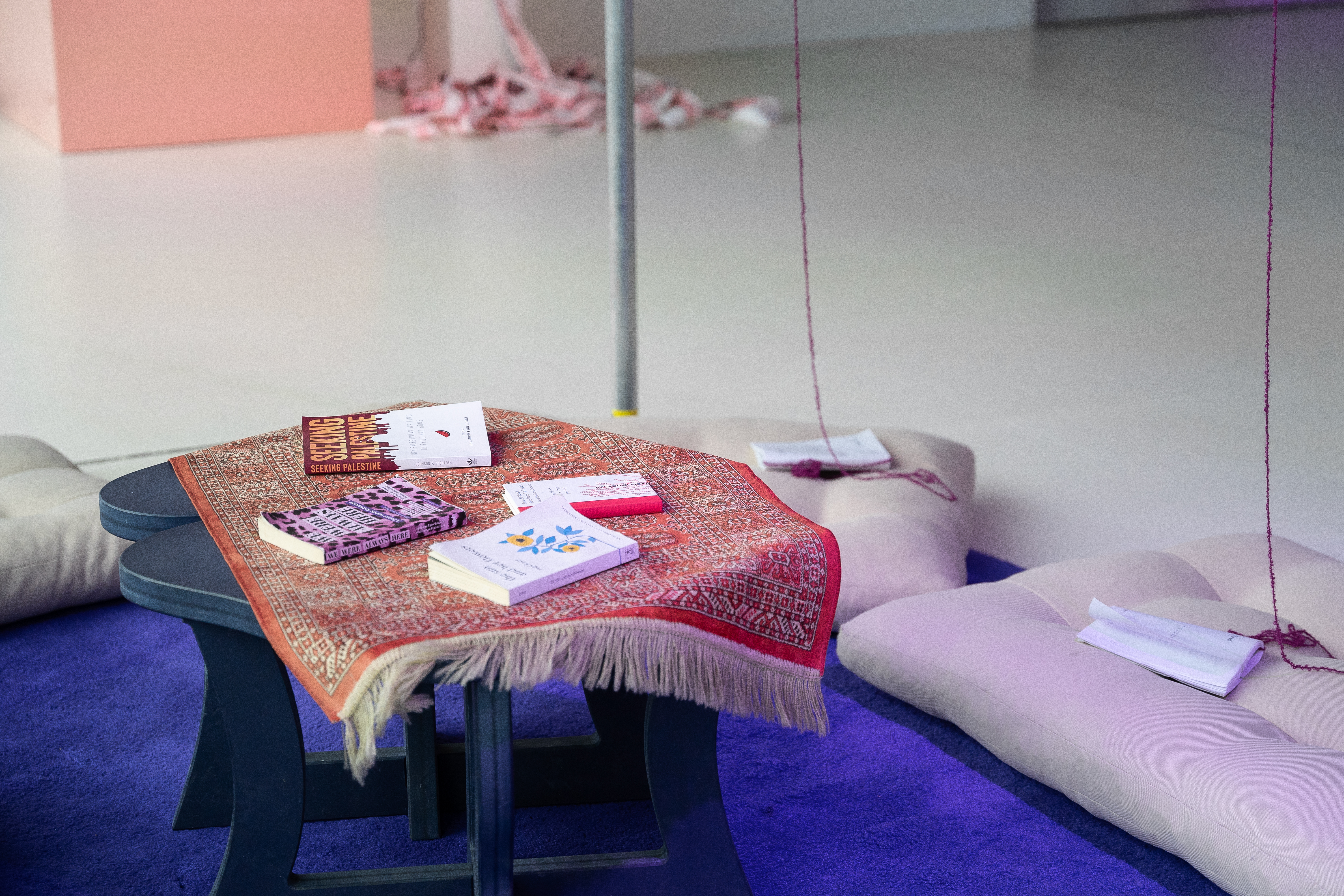
In the context of this exhibition, making space means the deliberate act of creating room —physically, metaphorically, and affectively. It involves allocating spaces for reimagining artistic, designerly, and institutional practices, centering and amplifying voices, ideas, and ways of making beyond the prevailing norms. The showcased practices aim to fuel ongoing discussions on how art and design are conceptualized, taught, learned, organized, and practiced within institutional boundaries. They prompt reflection on the type of institution we aspire to build and inhabit — one committed to the promise of a “better life in an unjust and unequal world,” fostering more equitable relationships, providing support for marginalized people, and challenging entrenched histories that resemble impenetrable walls, echoing Ahmed’s words.
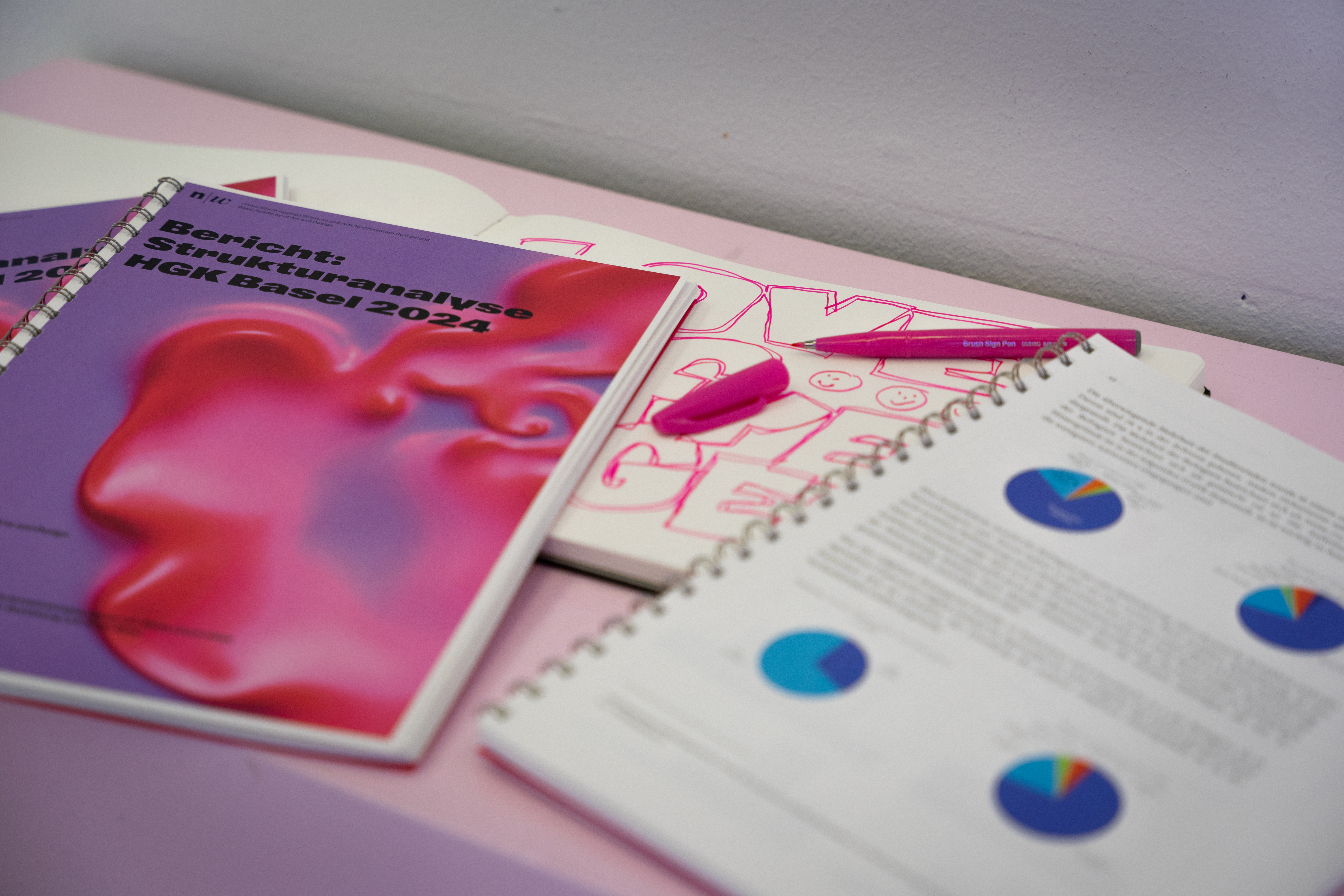
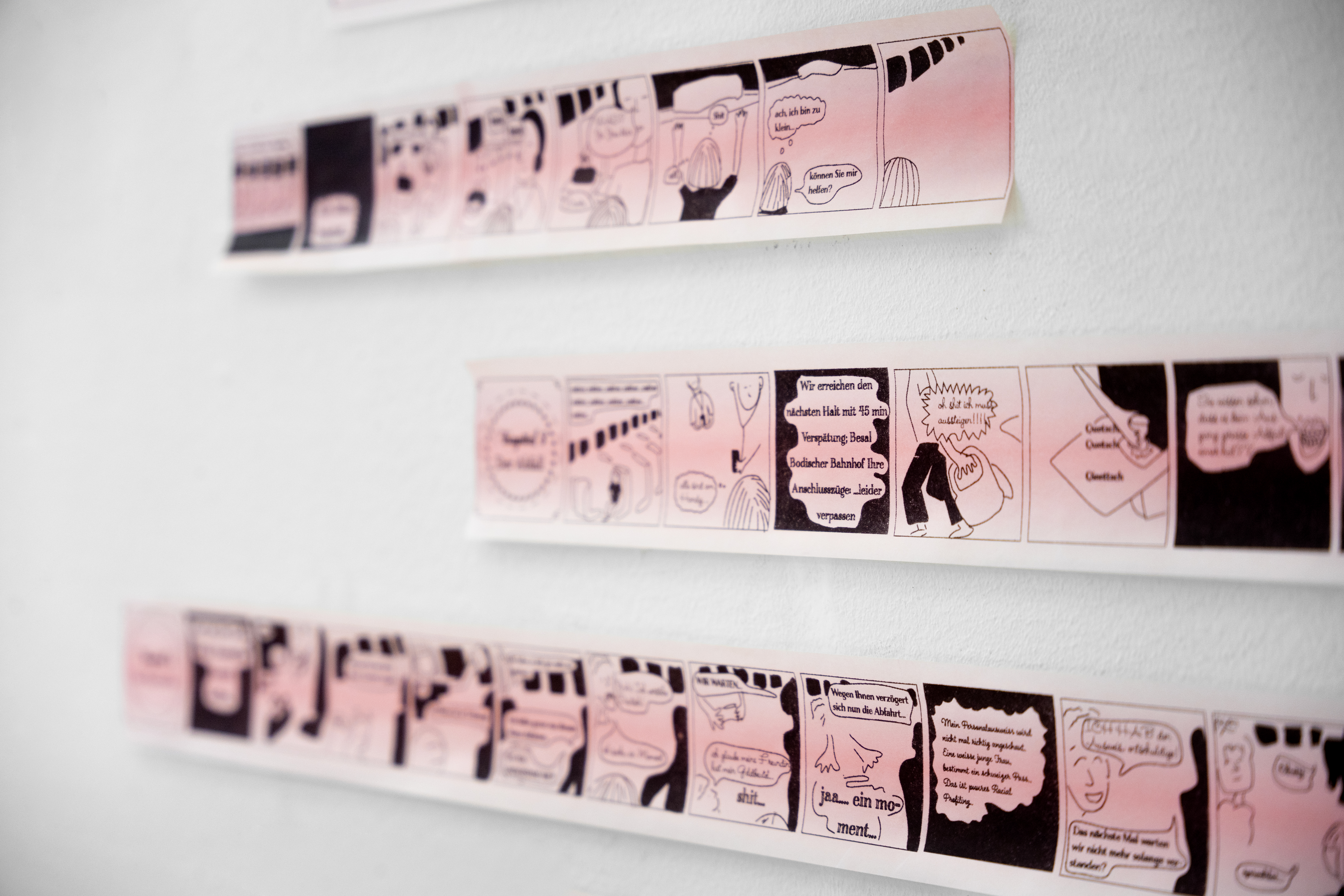
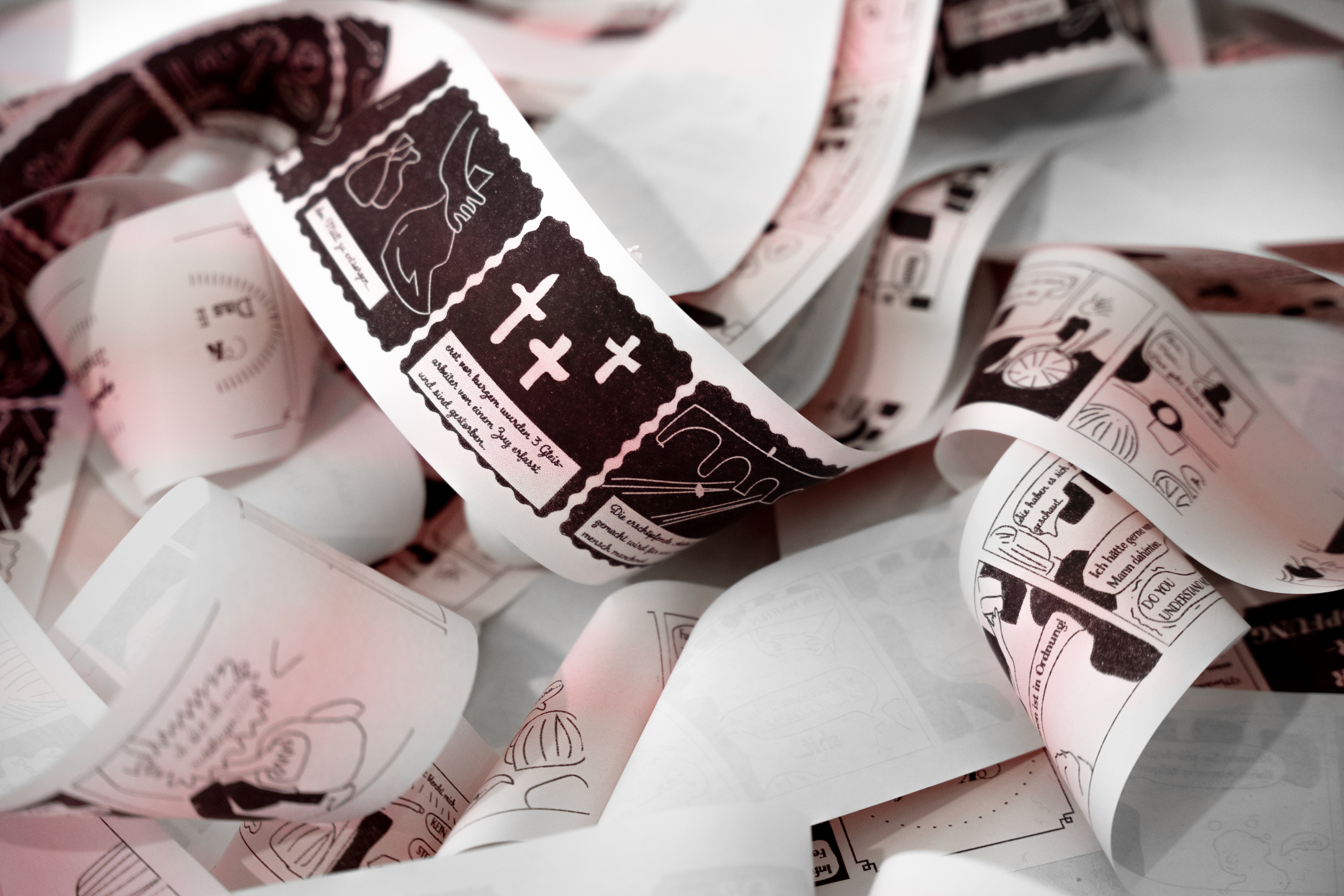
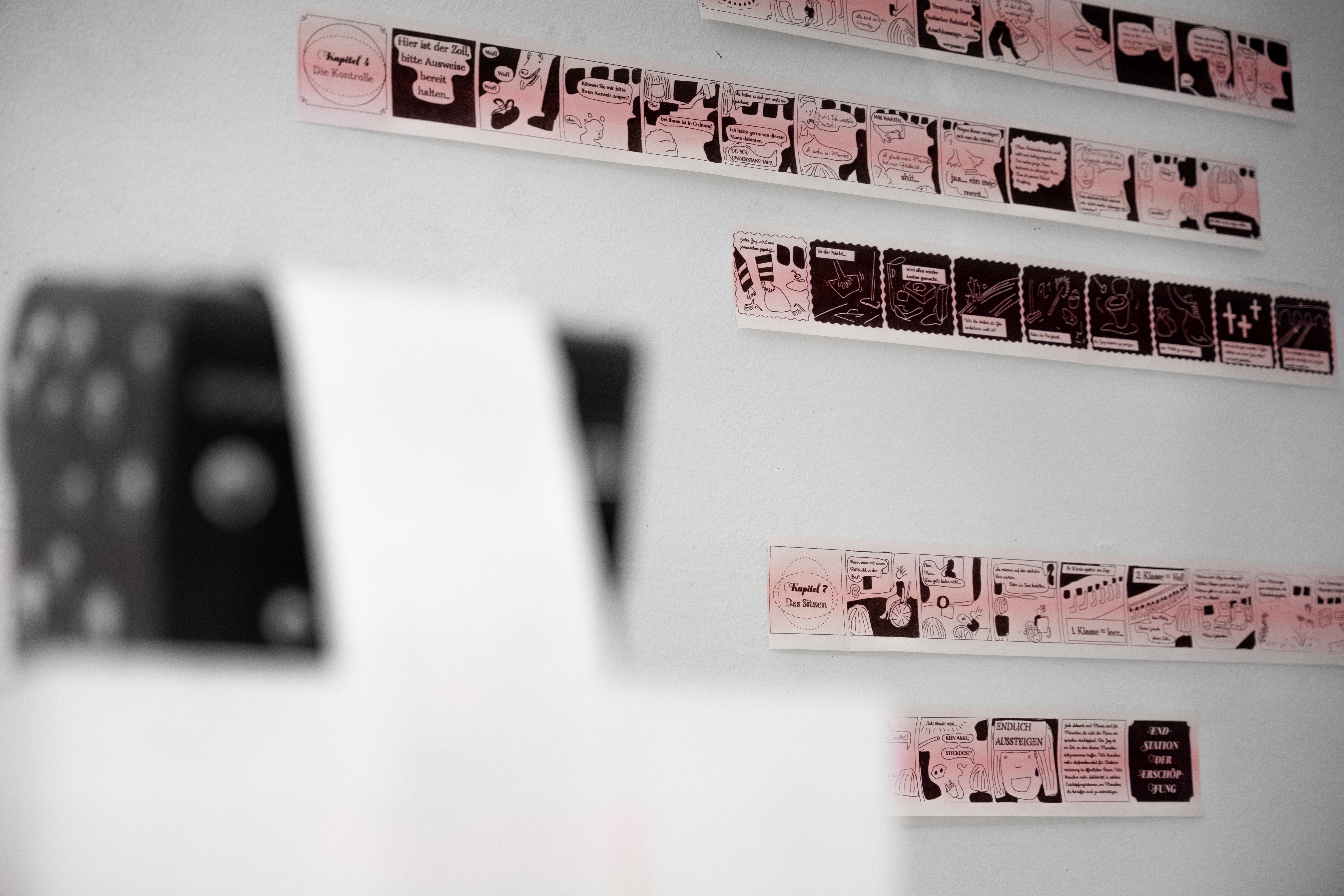
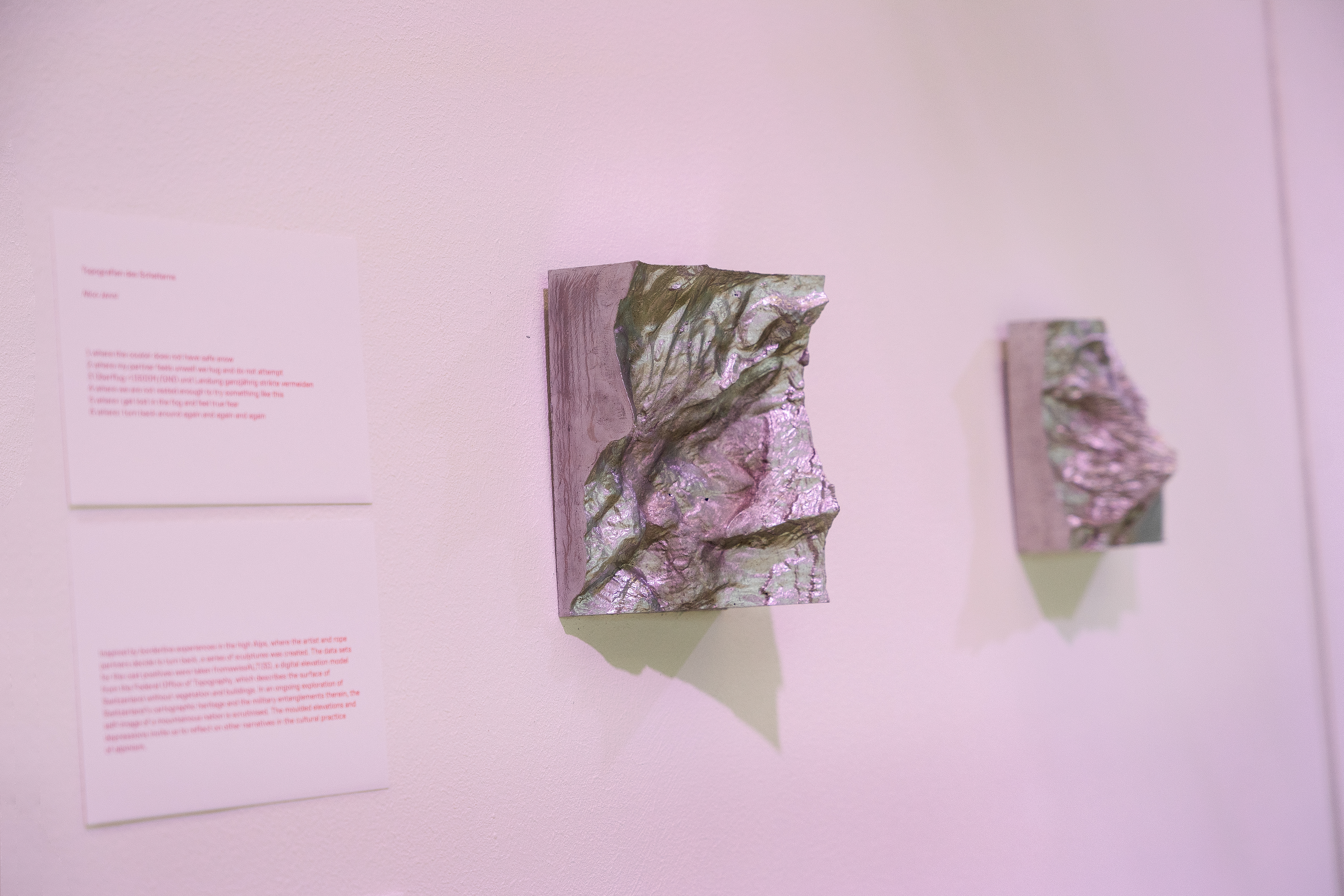
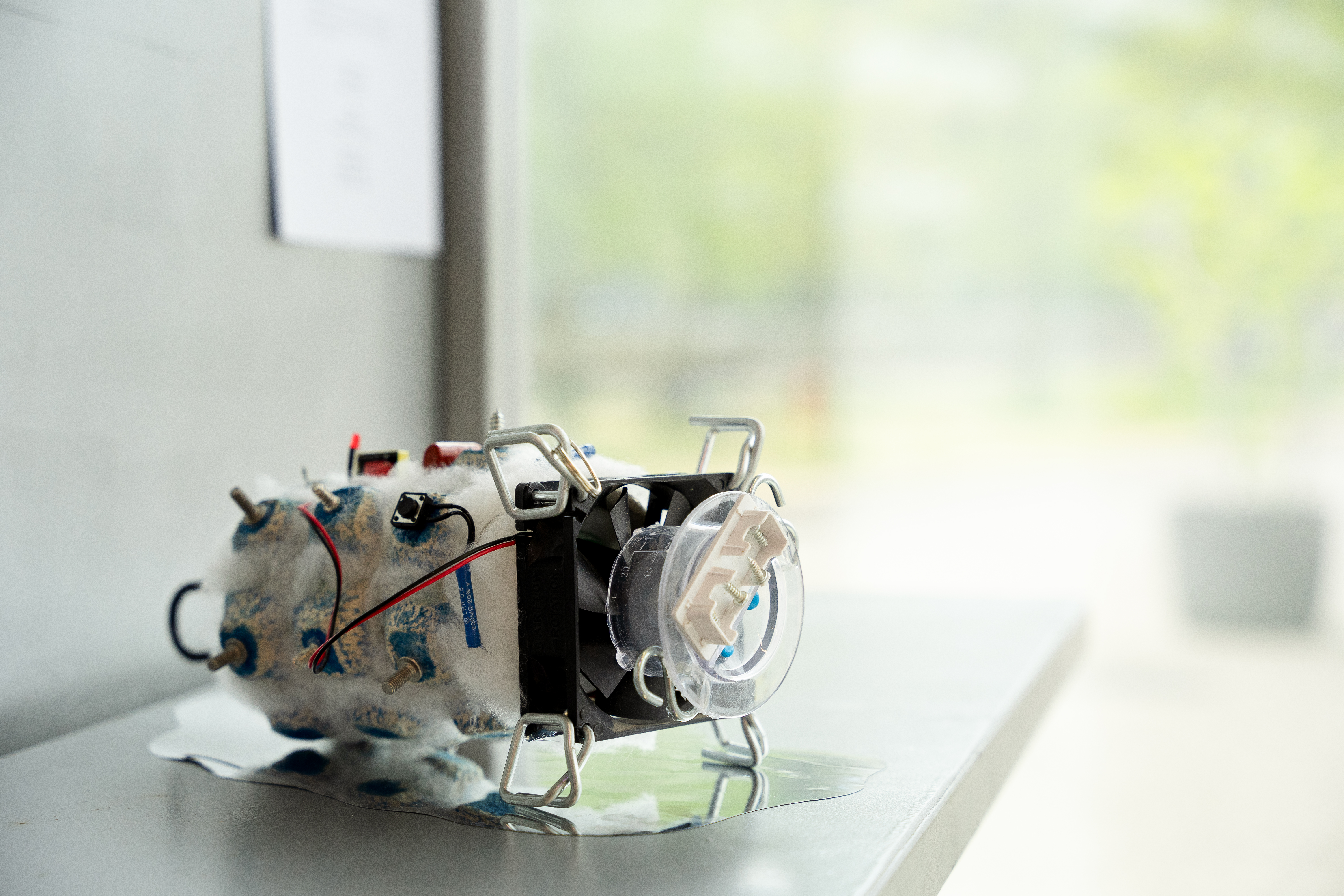
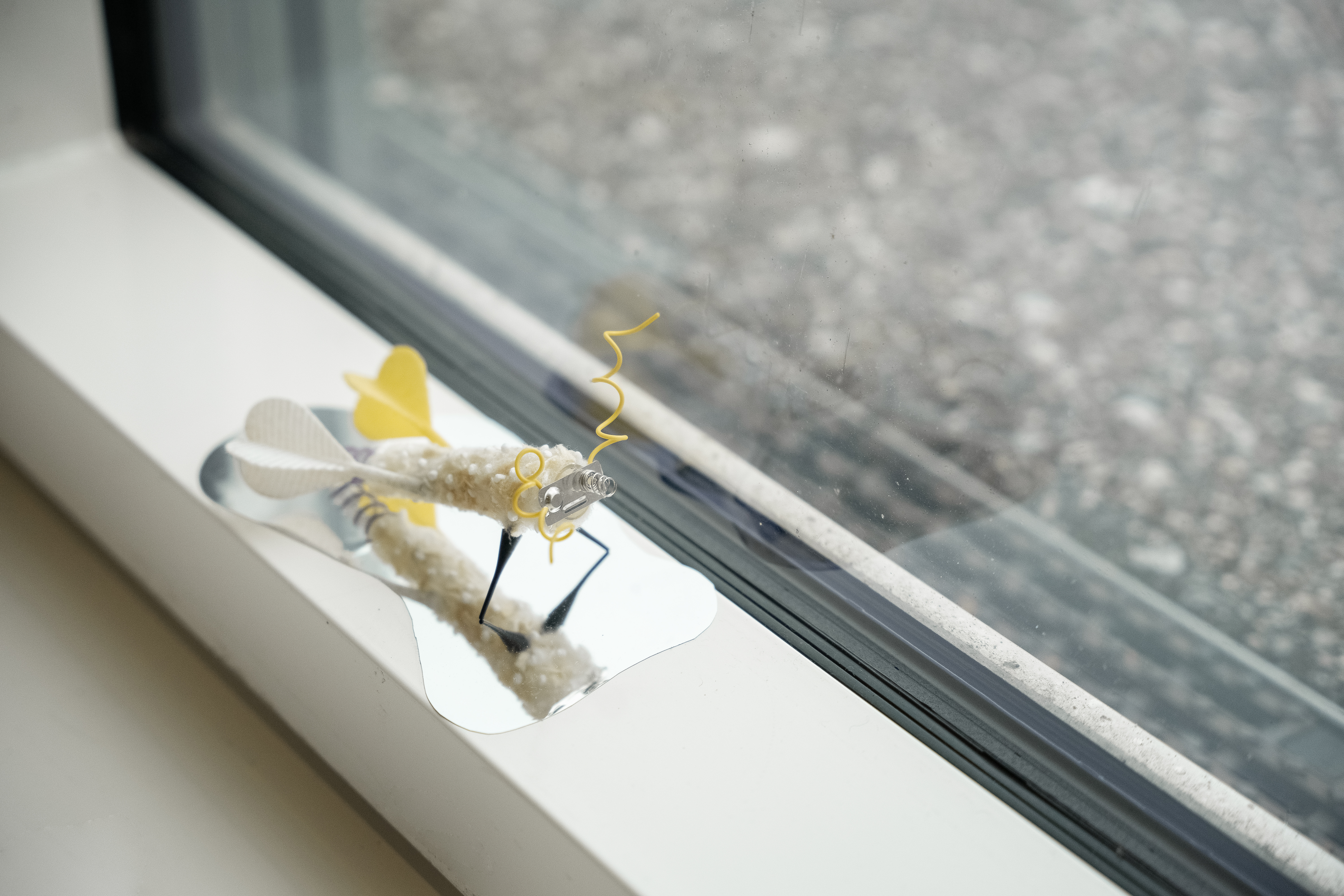
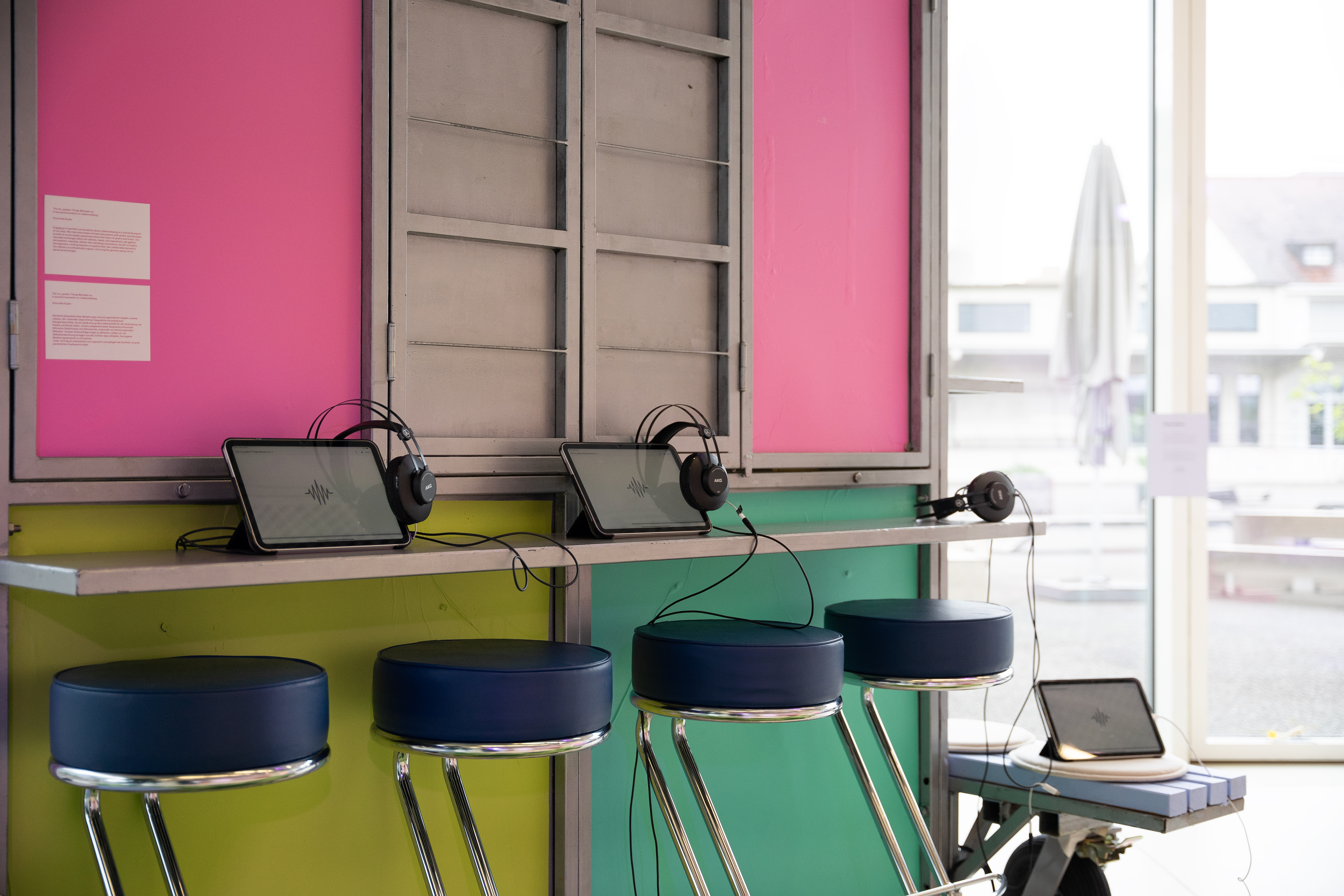
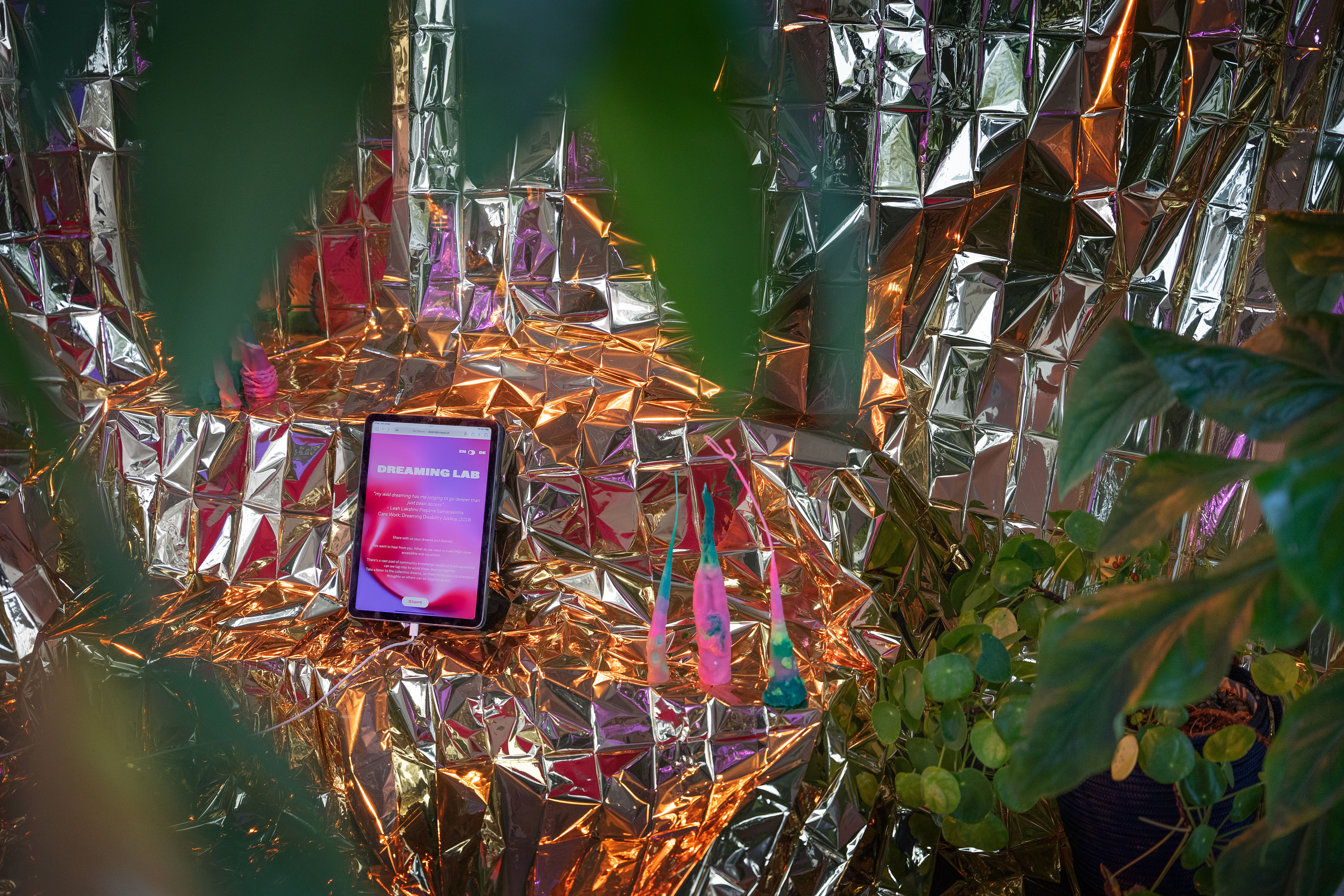
This collective dreaming serves as both a methodology and an action — an active refusal to accept the status quo and an engagement in imagining otherwise, fostering a desire for them to become possible realities—to address, nurture, and act upon. Lastly, dreaming encapsulates a convergence of artistic, designerly, educational, pedagogical, and institutional efforts undertaken by students, invited guests, lecturers, and the school’s director. The presented works, dreams, syllabi, and ideas offer a polyvocal but not exhaustive representation of practices emerging during the Intersectional Lab’s activities from September 2022 to April 2024, with the hope that these practices will serve as conduits for transformative possibilities.
Participating Students:
Ambre Bork
Anouchka Enzinga & Jean Küchenhoff
Gabi Soliman
Hannah Grenacher
Jeanne Rosset
Lizz Keller
Luzia Maureen Graf
Lynne Kopp
Malena Schmid
Nico Jenni
Nisha Greisser & Lenn Siegenthaler
Marina Klein-Hietpas & Julia Vegh & Seraina Keller
Anna Azzola & Idil Mercan
CONTENT NOTES:
This exhibition describes and problematizes violence and discrimination based on age, disability, gender, origin, race, and/or sexual orientation.
Intersectional Lab in Arts and Design:
Project Lead: Claudia Perren
Institutional Program: Laura Pregger
Education Program: Maya Ober
Mediation Program: Mayar El Bakry
Advisory Board:
Griselda Flesler
Hazbi Avdiji
Nina Mühlemann
Rahel El-Maawi
Visual Identity and Graphic Design
Korina Gallika
Art Direction and Graphic Design:
Mayar El Bakry
Thank you:
Alecs Recher, Chris Heer, Christine Kaufmann, Dana Abdulla, Dorothée King,
Fleur Weibel , Gabriela Aquije Zegarra, Helen Pritchard, Kamran Behrouz, Lena Huber, Linda Ludwig, Nicolaj van der Meulen, Nils Amadeus Lange, Sara Ahmed, Seline Reinhardt, Simone Marie, Stefanie Rohrer, Sylvia Sobottka, Sophie Voegle, Yvonne Schmidt
Front Desk and Services Team at the HGK
Funded by the p-7 swiss universities grant
Supported by the Hochschule für Gestaltung und Kunst Basel