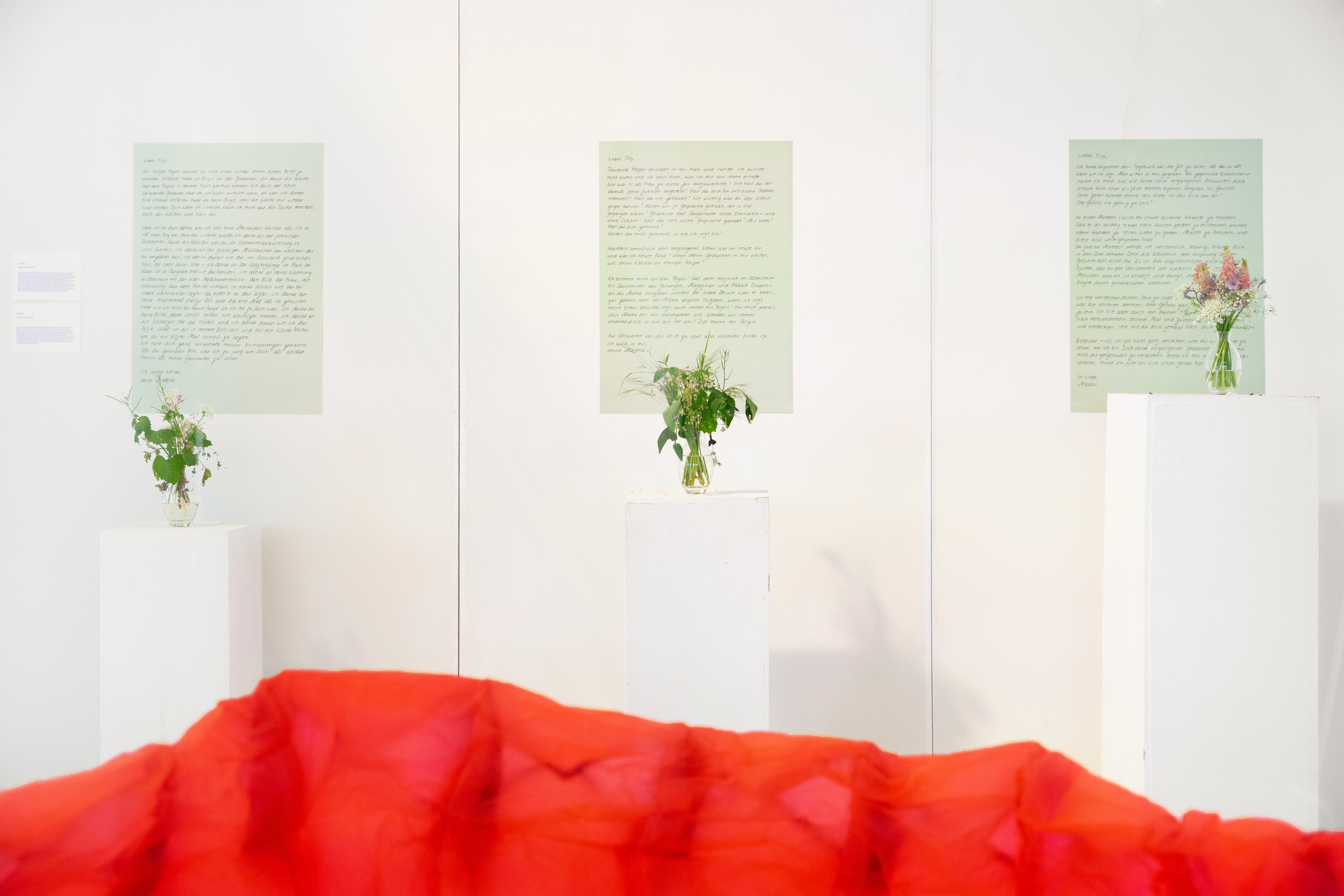
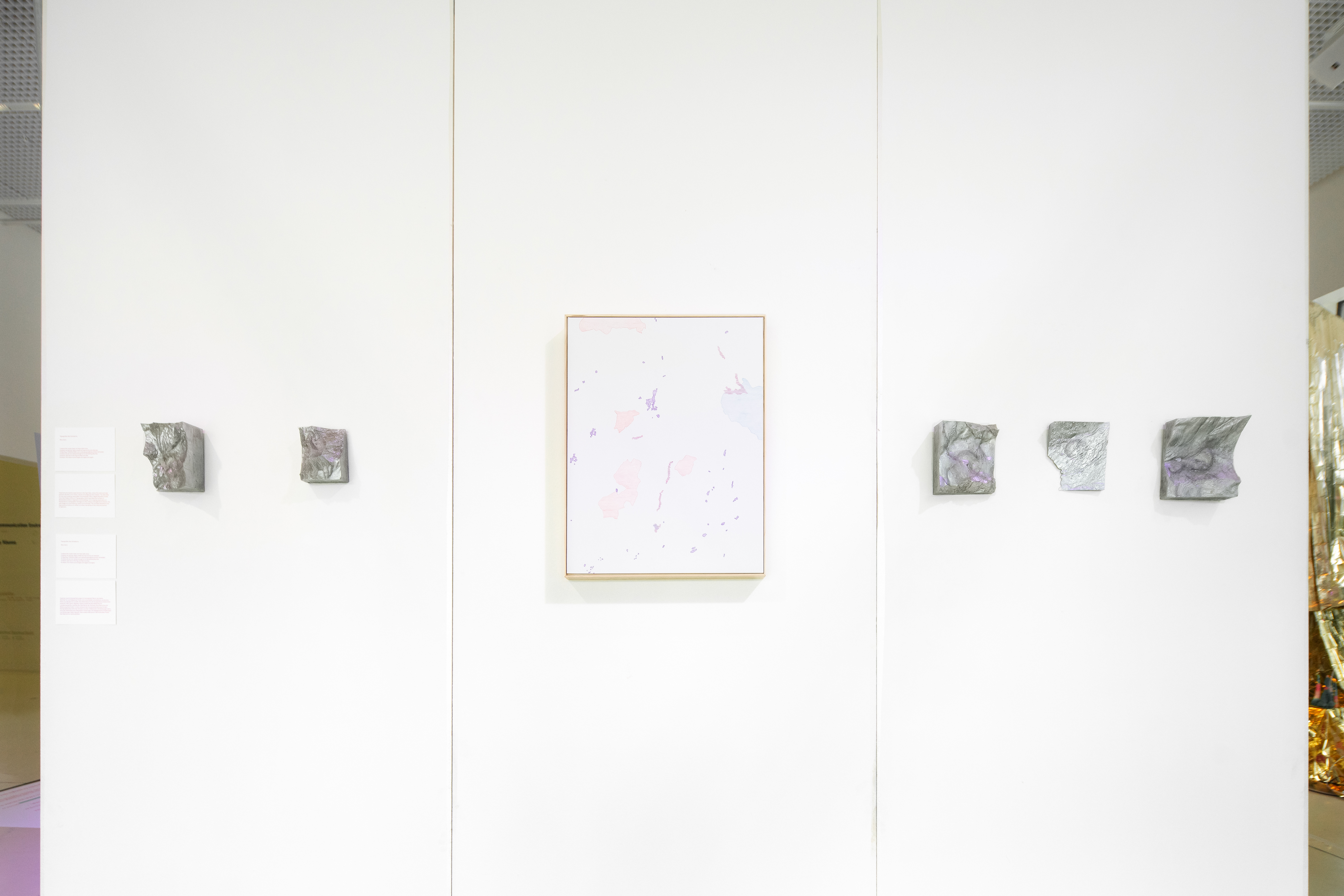
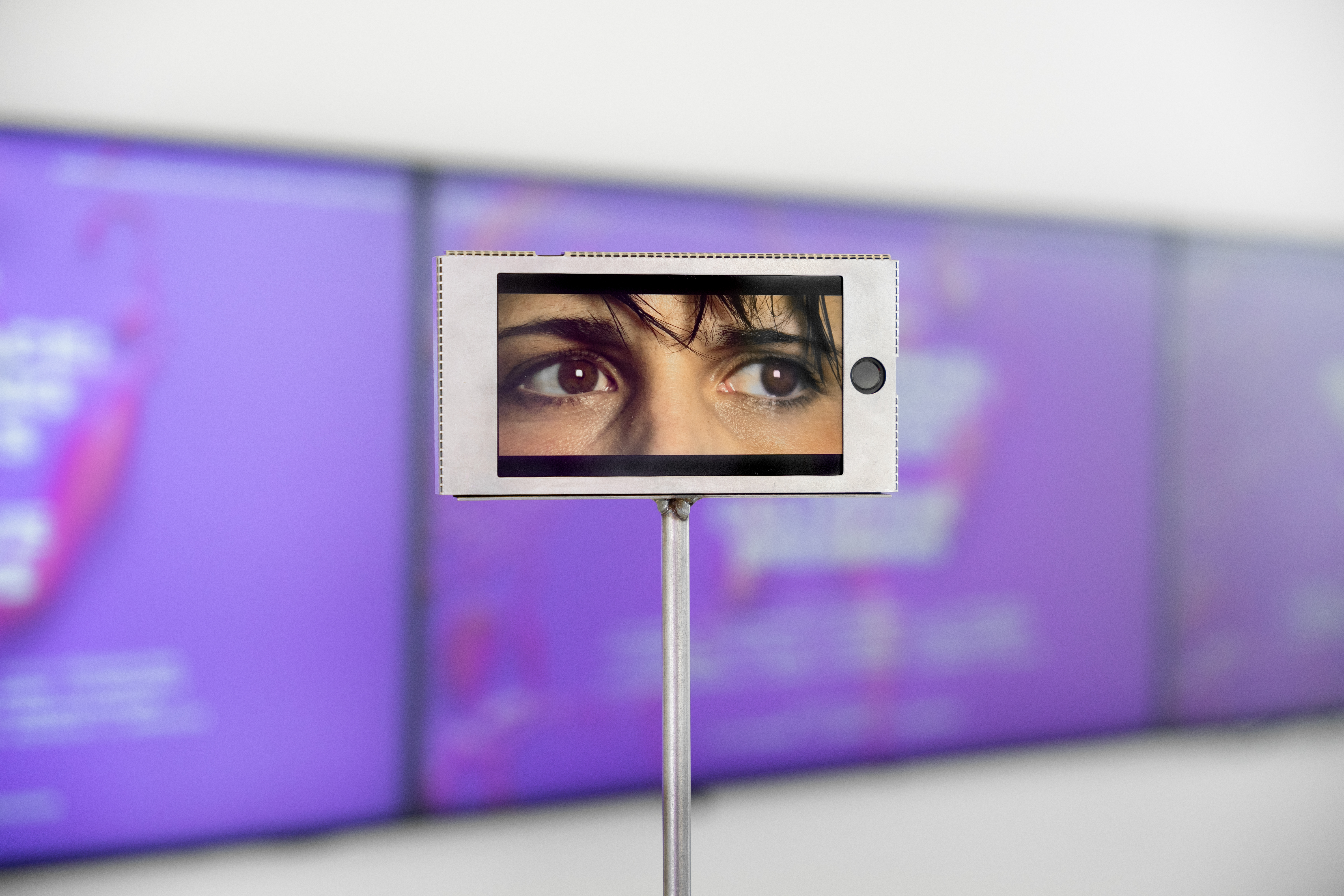
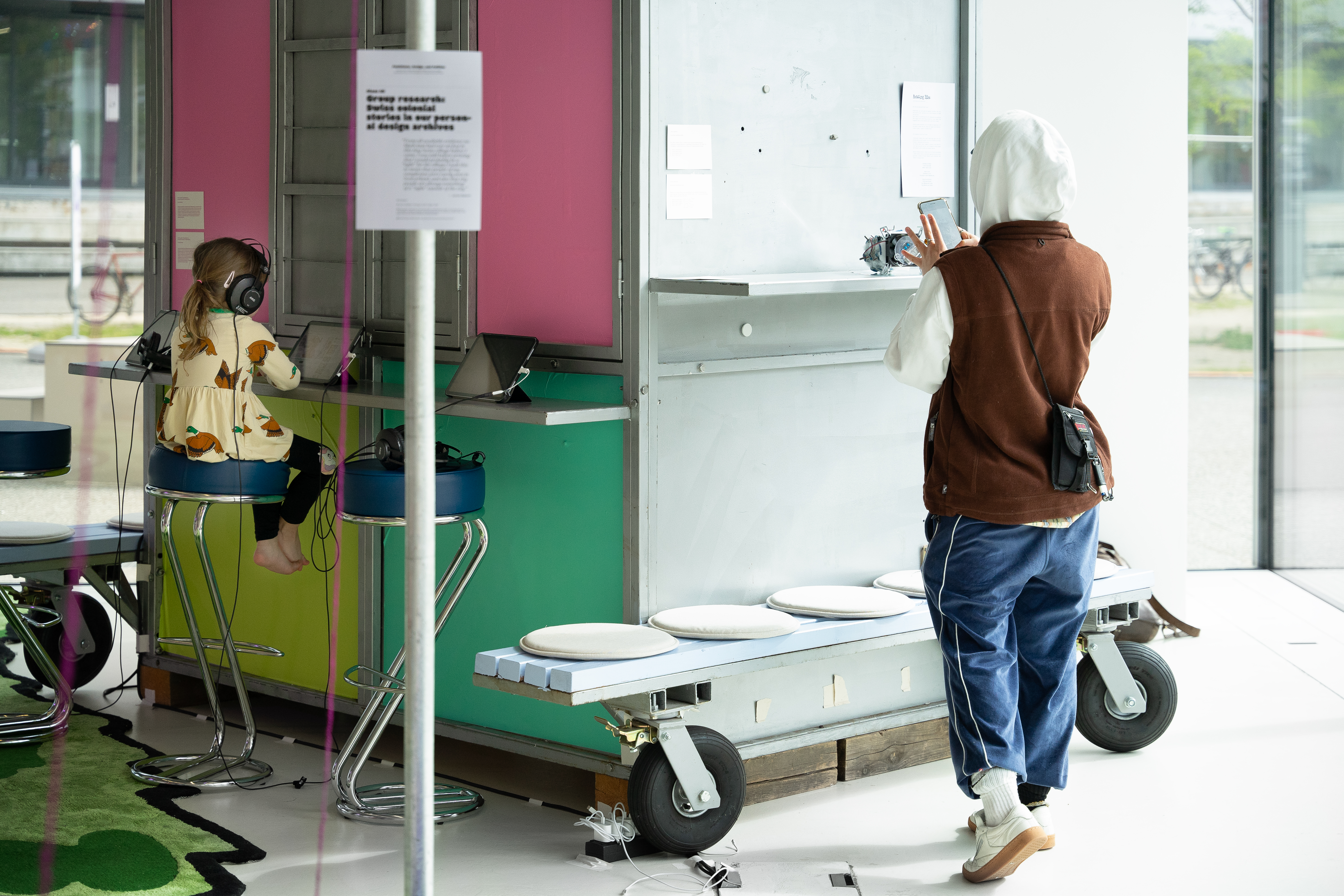
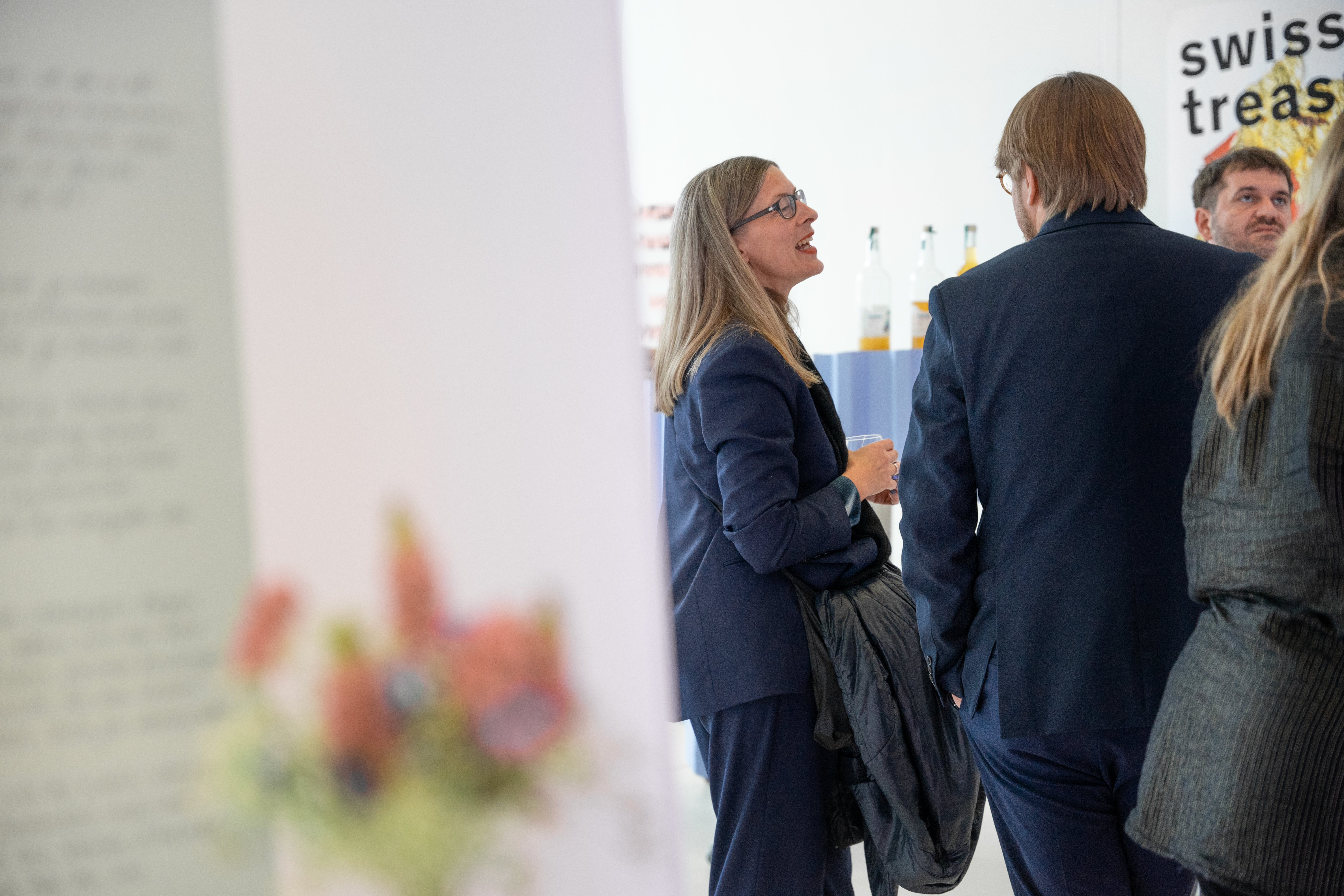
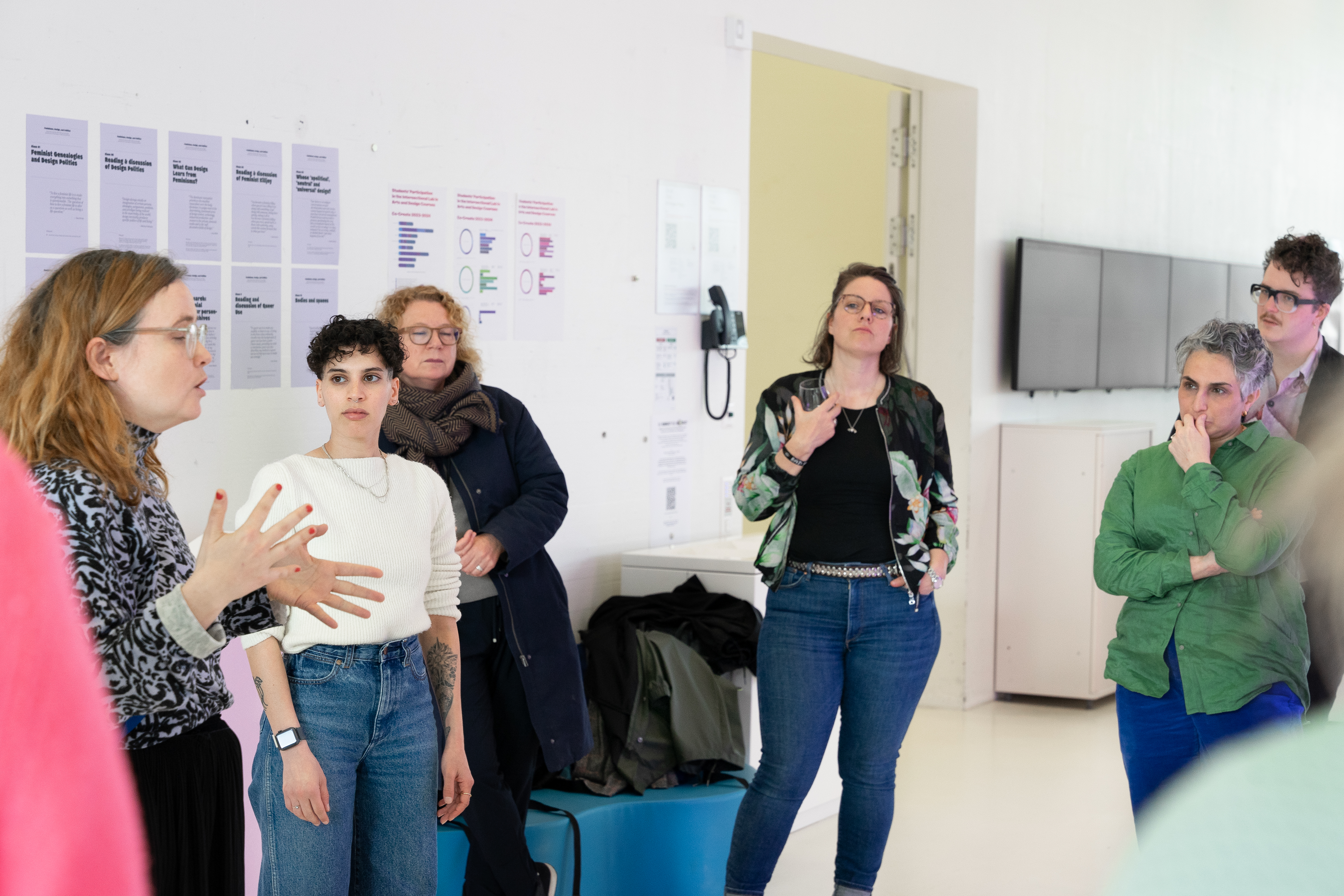
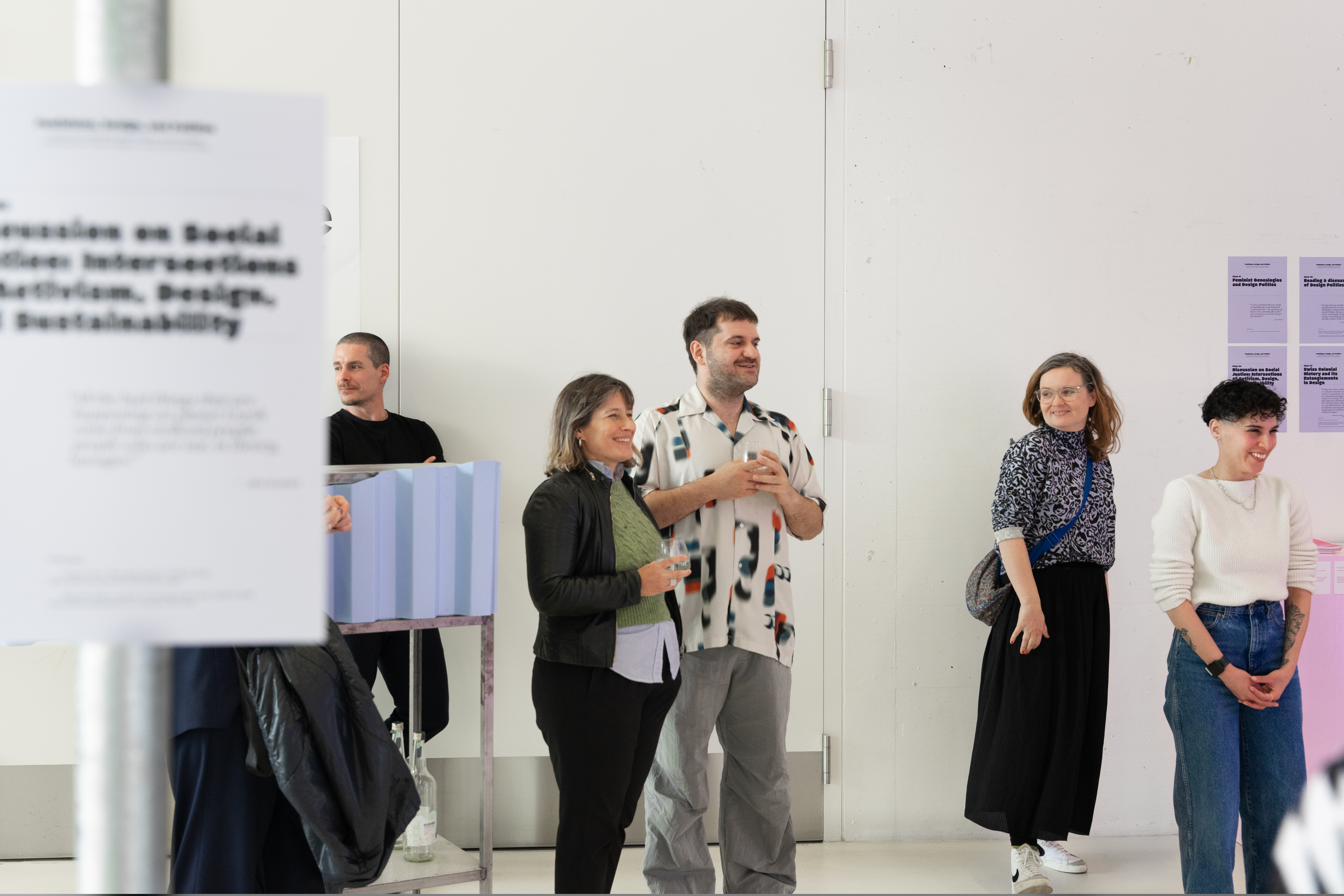
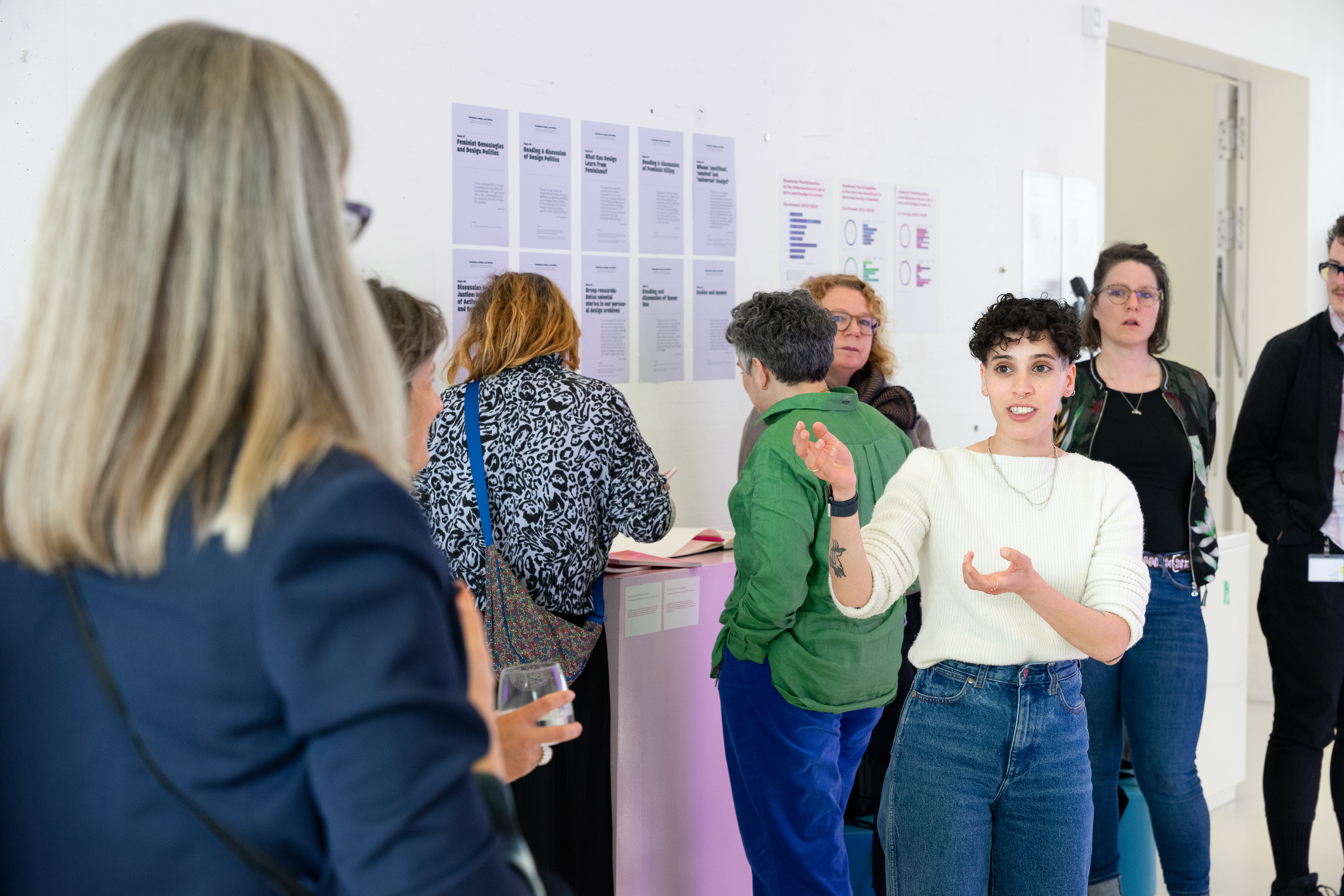
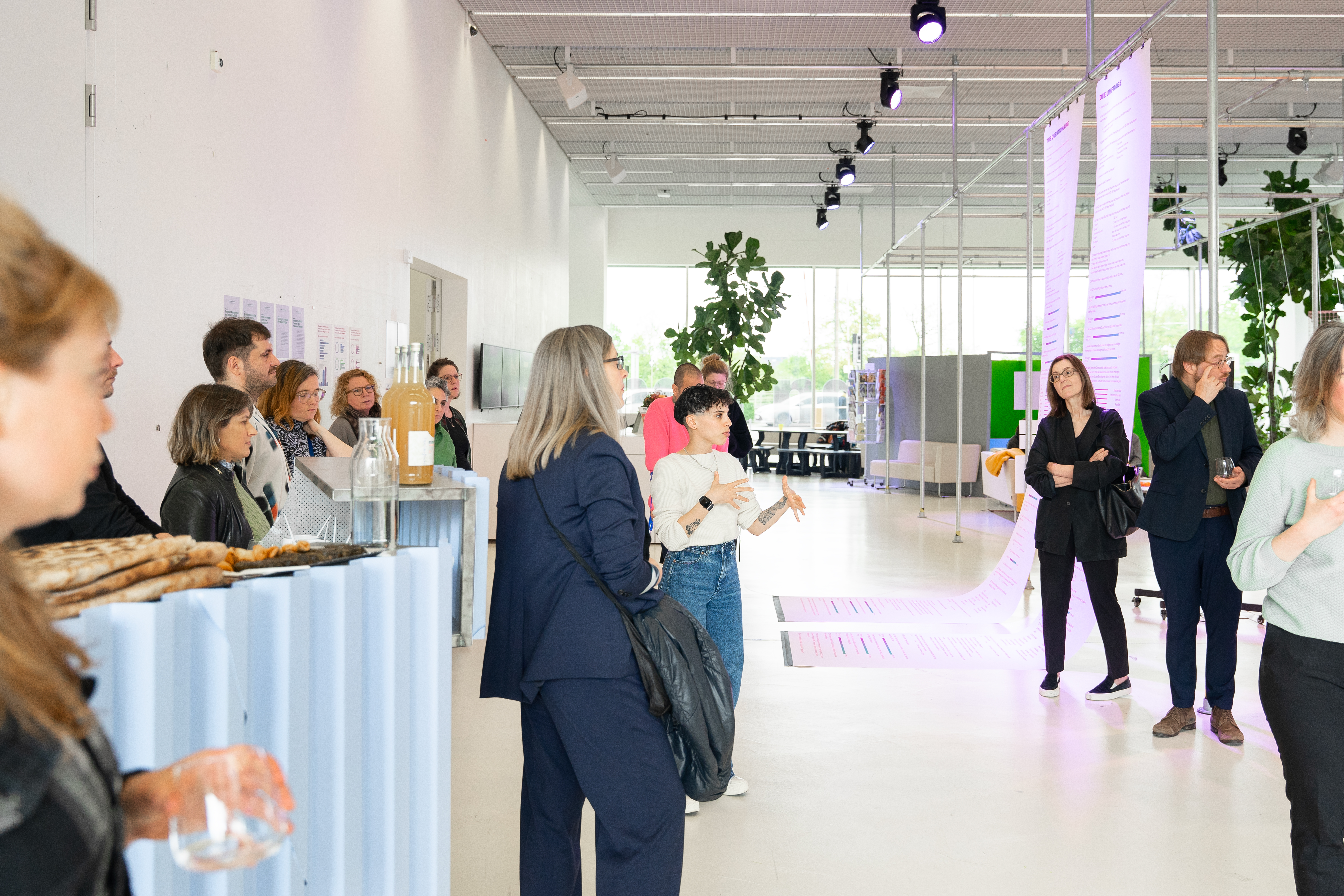
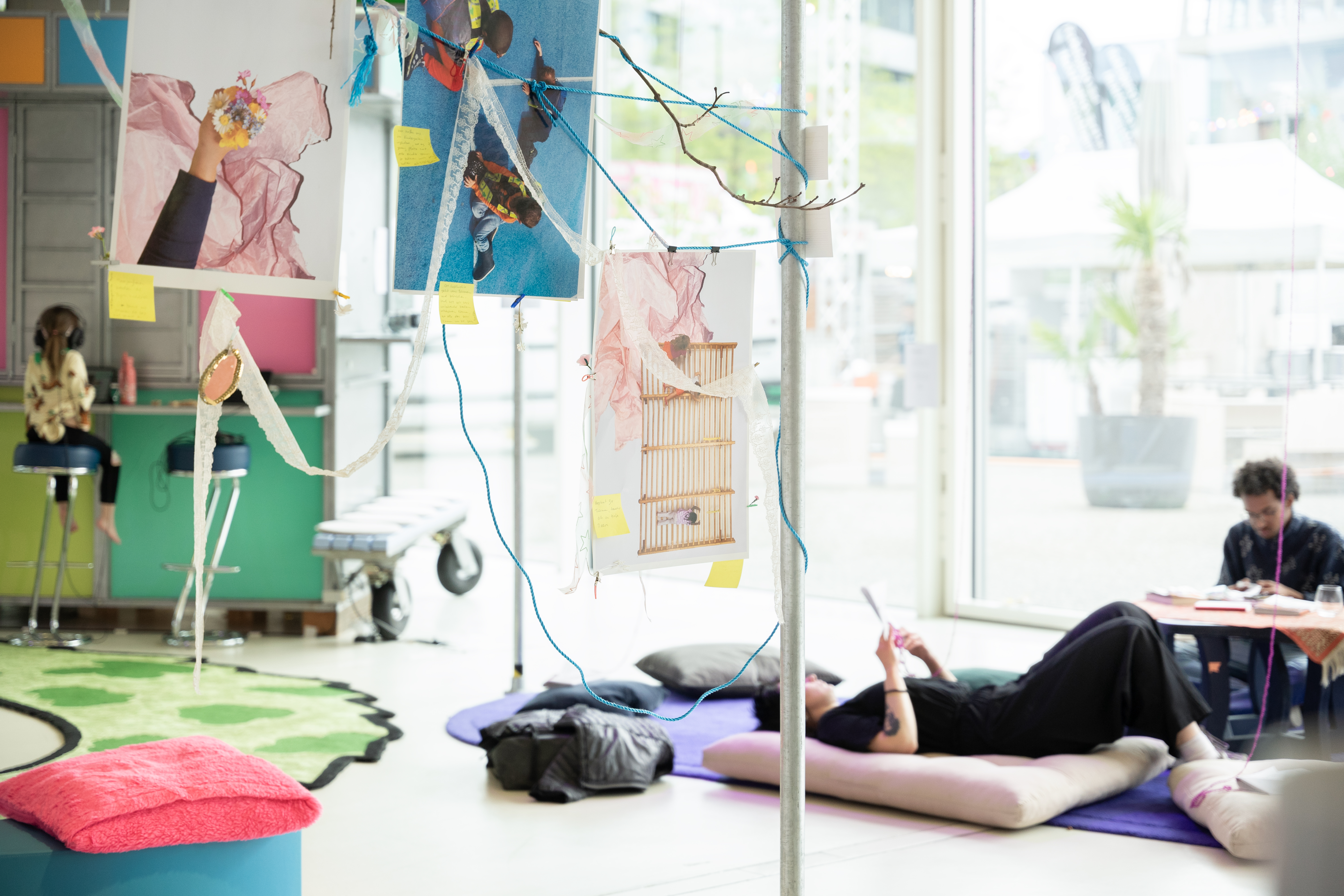
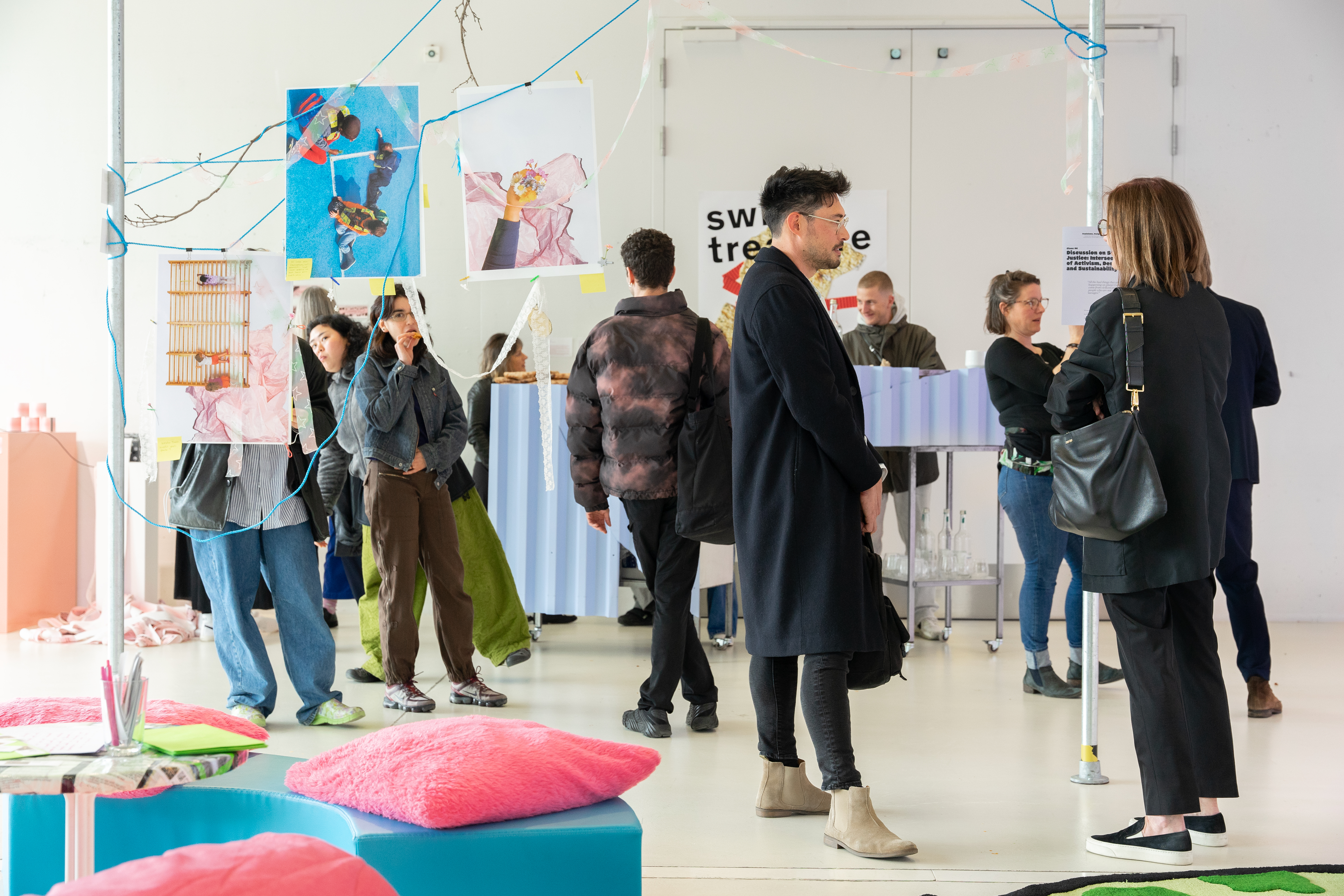
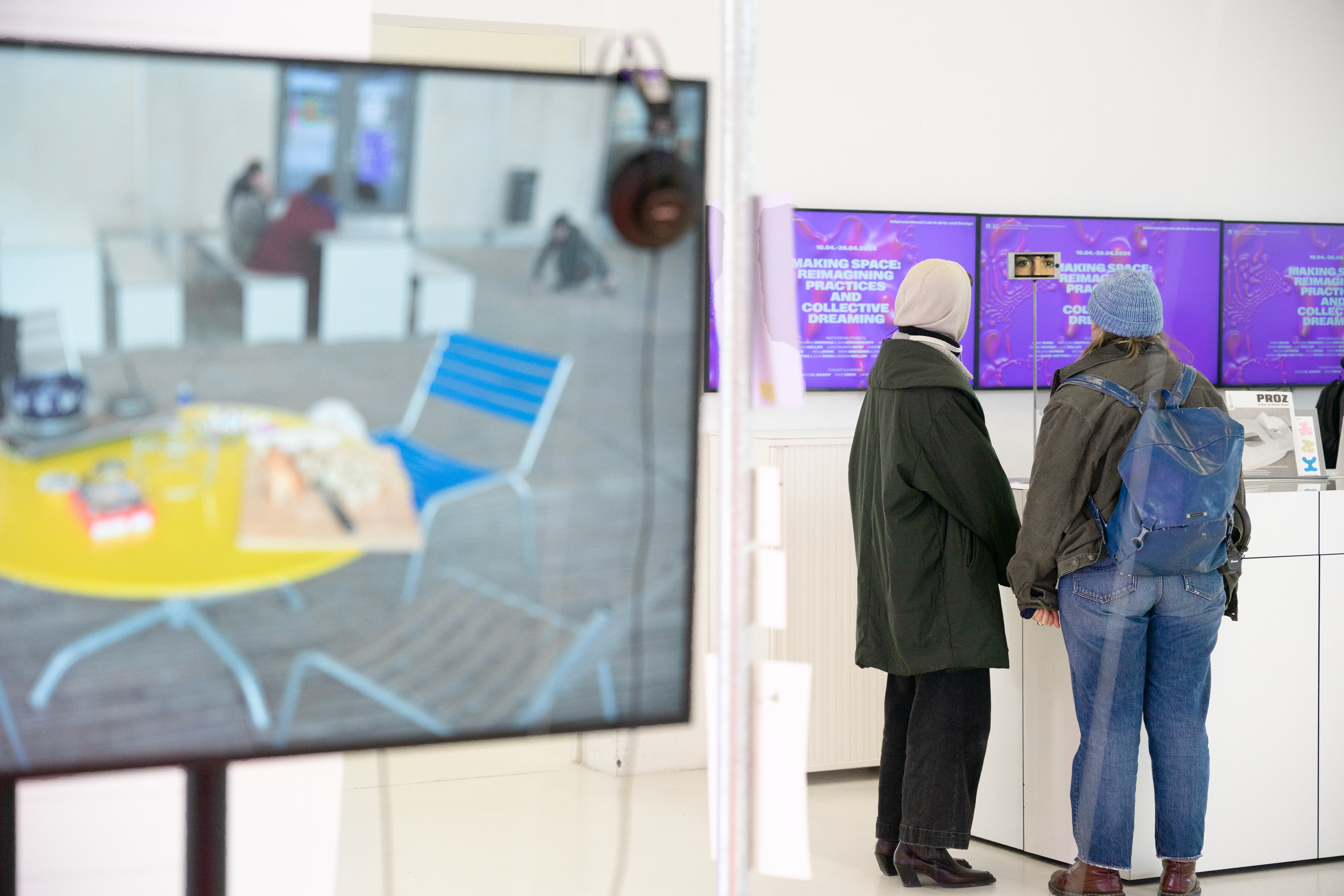
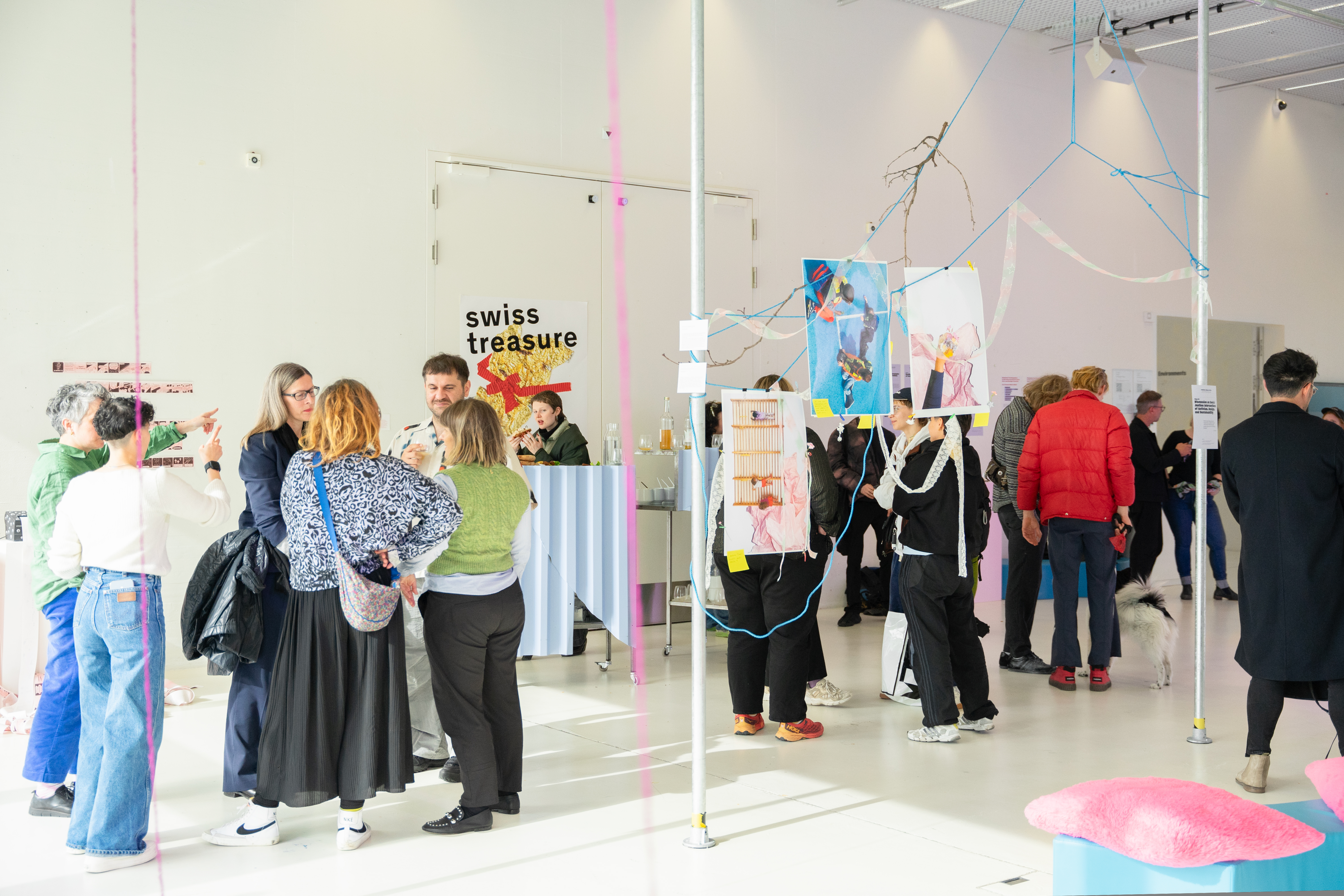
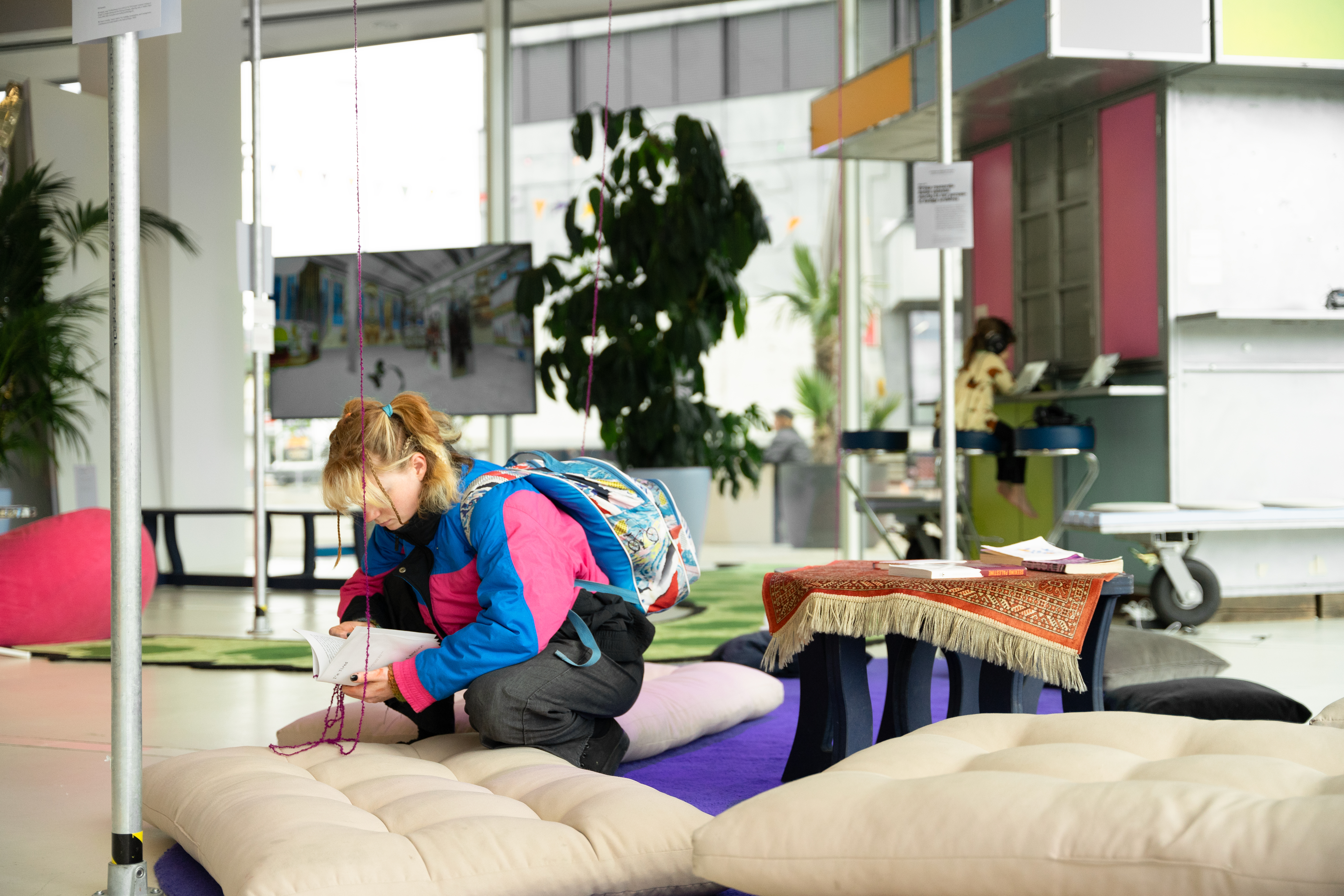

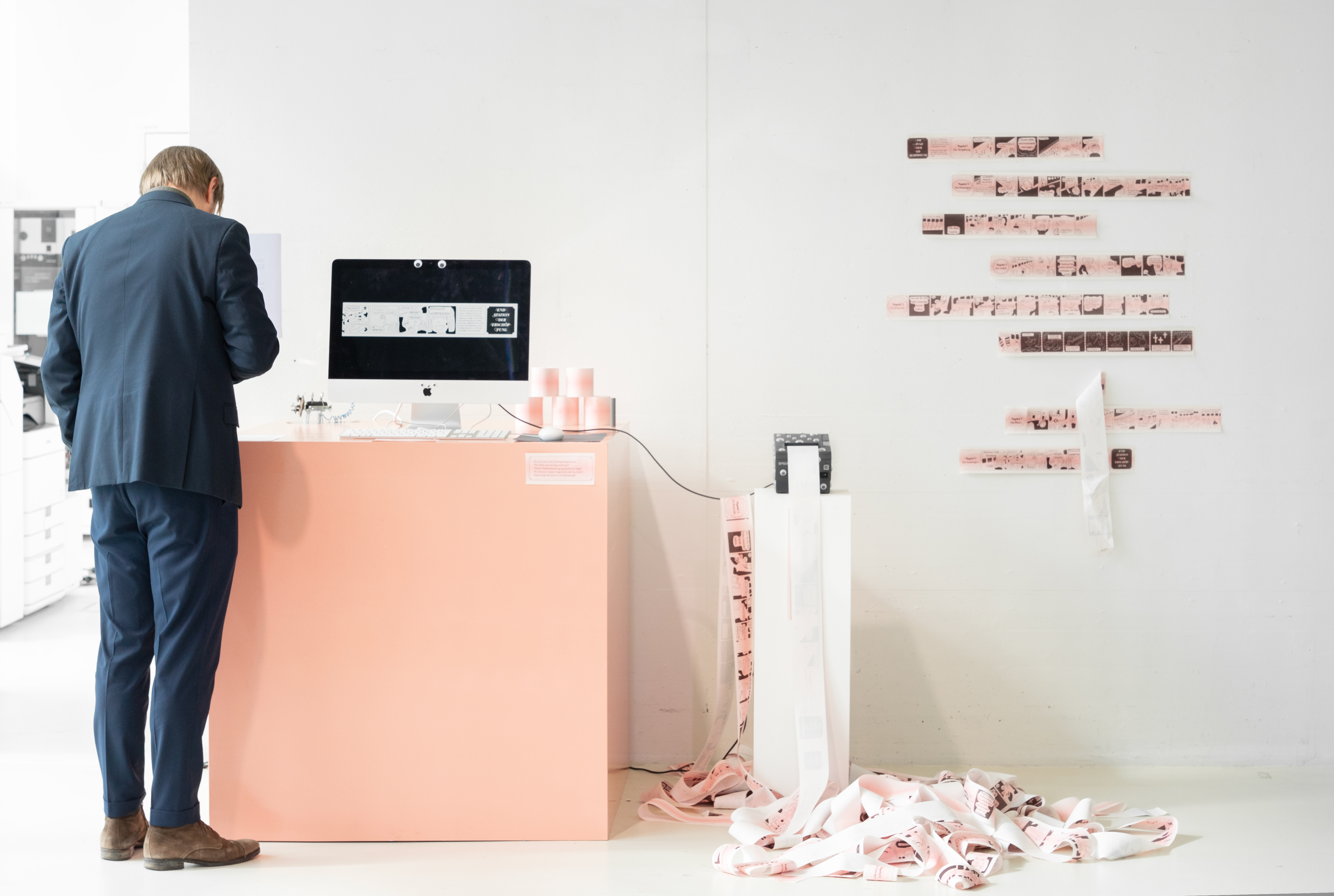
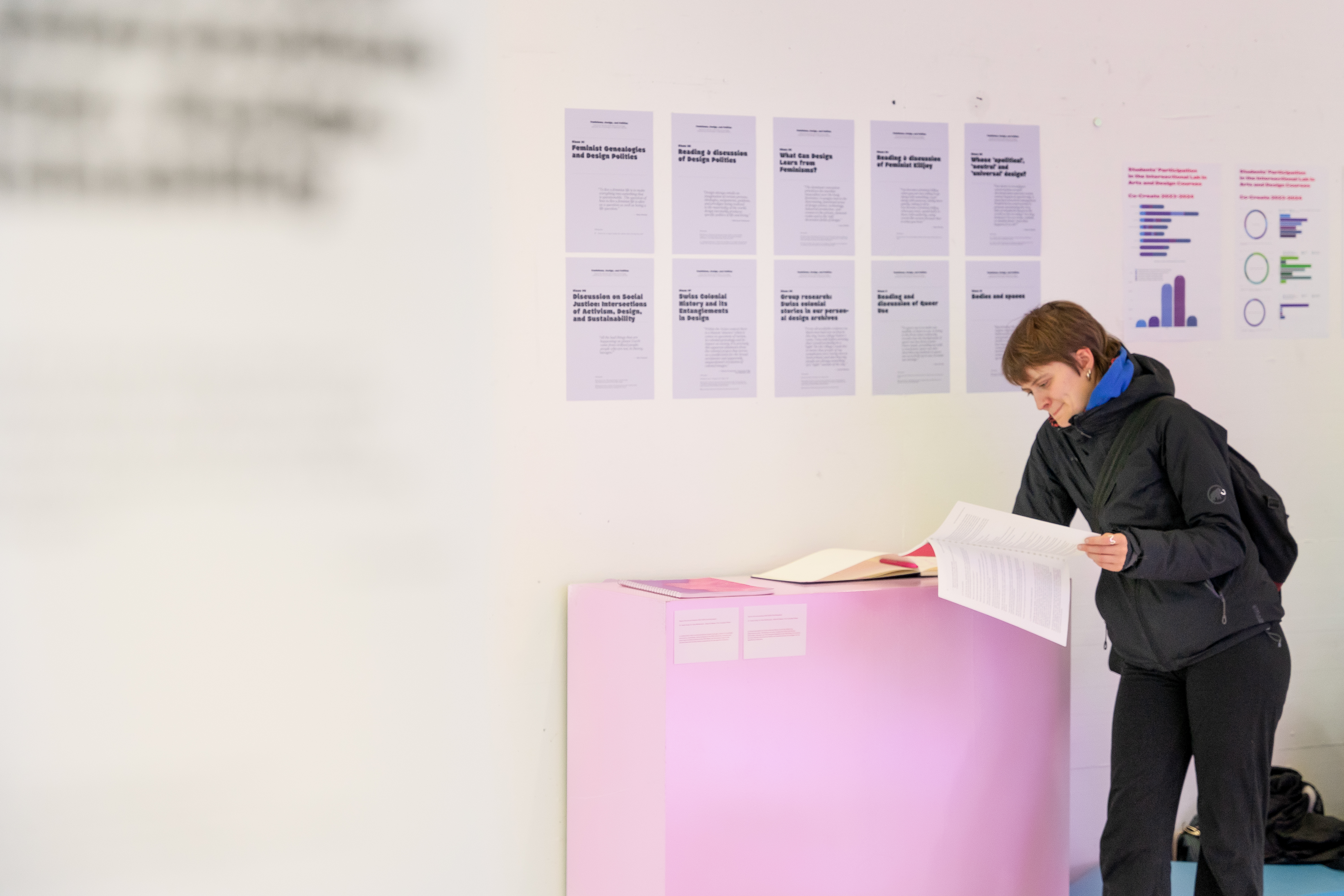
The Intersectional Lab in Arts and Design** (ILAD) was an interdisciplinary, site-specific pilot programme at the FHNW Academy of Art and Design (HGK Basel). It addressed issues of diversity, inclusion, and equal opportunities (DICG). Situated at the intersection of education, knowledge production, community-building, and structural reflection, ILAD responded to transnational debates around the depatriarchalisation and decolonisation of design and art, as well as to growing anti-discrimination movements within the Swiss higher education landscape.
The lab combined educational, mediation, and organisational strategies to embed DICG principles at all levels of university life. To foster cultural, institutional, and pedagogical paradigm shifts, the programme used intersectionality as an analytical lens and relied on artistic and design-based practices. The project was financed by the P7 programme of Swiss Universities and was headed by Dr Claudia Perren, Director of the HGK Basel.
The programme unfolded across three main areas:
- Education
An interdisciplinary curriculum in art and design integrating feminist, decolonial, and queer theory into research, practice, and pedagogy.
Lead: Maya Ober - Mediation
A programme that brought DICG discourses and practices into public view through art and design mediation on campus. Outcomes included exhibitions, publications, conversations, screenings, and public lectures in the CIVIC space.
Lead: Mayar El Bakry - Organisation
In collaboration with an external advisory board, the team conducted roundtable discussions, workshops, and a review of HGK’s DICG-related policies, resulting in a report with situated data and transformative recommendations for the institution.
Lead: Laura Pregger
Structural Analysis and External Expertise
To conduct the structural analysis and develop situated action strategies for HGK Basel, ILAD partnered with external experts: Dr. Hazbi Avdiji, Dr. Nina Mühlemann, Rahel El-Maawi, and Prof. Griselda Flesler. The advisory board was complemented by an internal HGK expert: Prof. Dr. Helen V. Pritchard.
Each brought a distinct background and perspective on transformation processes in educational and organisational contexts. What united them was their use of intersectionality as an analytical tool. Their collective expertise was central to shaping a productive process and achieving meaningful results.
Key Findings from Working Groups
Working Group 1
Dr. Nina Mühlemann & Rahel El-Maawi
This group reviewed HGK Basel and FHNW regulations, with a focus on FHNW’s policy on personal integrity, as well as its 2021–2024 strategic direction and action plan on diversity. They compared internal policies with those from other institutions in Switzerland and abroad to identify gaps and formulate constructive recommendations. Several legal experts were also consulted. Findings are summarised in Chapter 3 of the HGK working paper.
Dr. Nina Mühlemann identified a critical omission in how disability is addressed—particularly in the context of personal integrity, where only physical traits are mentioned. In response, she pursued two strategies:
- Initiating dialogue with students with disabilities, chronic illnesses, and neurodivergence to gather first-hand accounts of their experiences at HGK Basel.
- Proposing a vision for an educational institution grounded in the principles of disability, economic, gender, racial, and social justice. This vision served as a foundation for defining collective goals and formulating radically pragmatic recommendations for HGK Basel.
The results of the discussions and recommendations can be found in Chapter 4.
Working Group 2
Dr. Hazbi Avdiji & Prof. Griselda Flesler
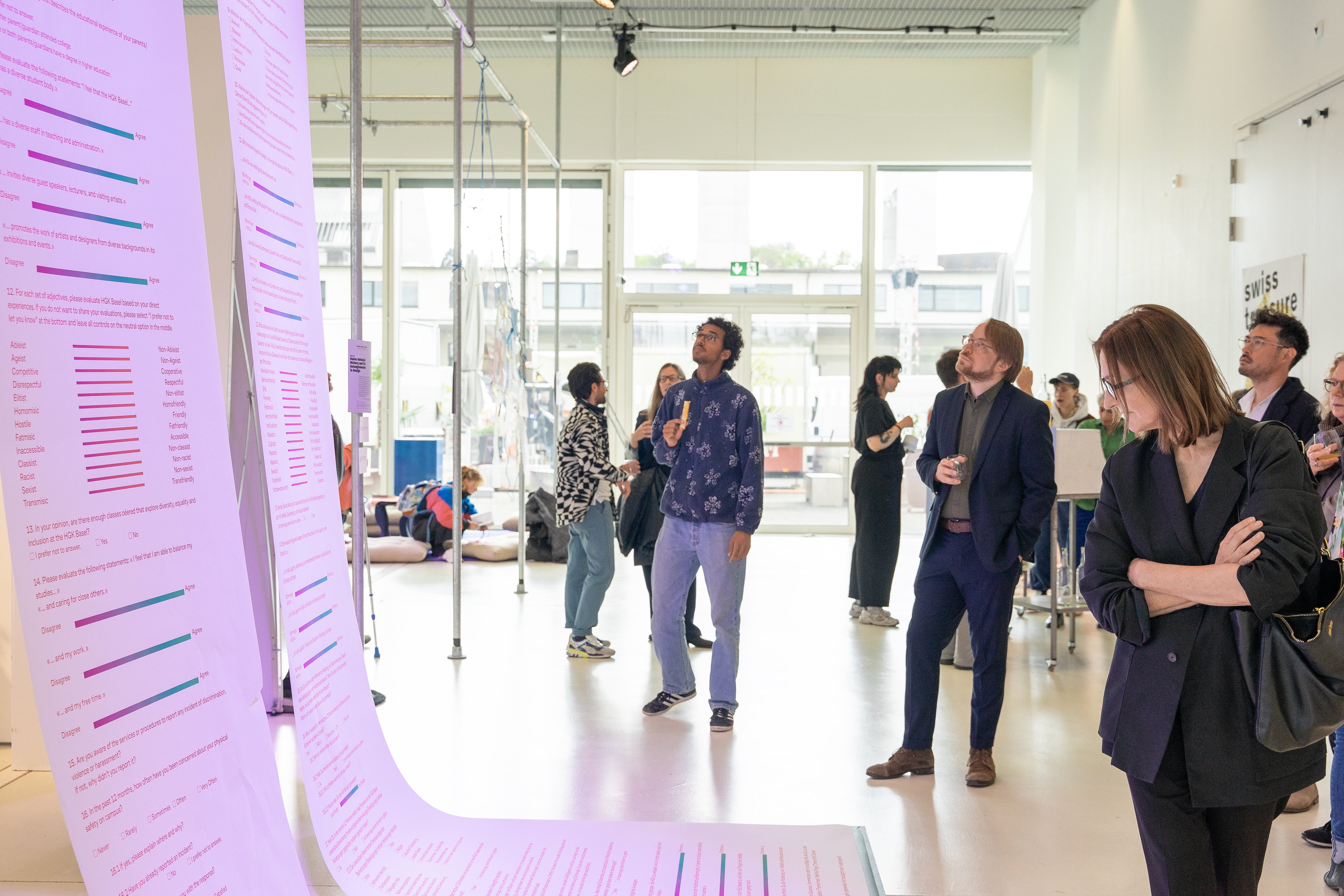
This group developed an intersectional survey to better understand student experiences and highlight institutional shortcomings. One key finding: racism is not explicitly acknowledged as a form of discrimination in FHNW’s guidelines—pointing to a concerning gap in institutional awareness.
In addition to the online survey, Dr. Avdiji moderated a focus group to expand the data set with qualitative input from students. The results of the focus group discussions and survey can be found in Chapter 2 of the working paper.
Conclusion and Outlook
The outcomes of the structural analysis formed the basis for a comprehensive workshop with the university’s executive board (HSL), staff representation (MOM), HGK Basel’s diversity officer, and FHNW’s diversity and sustainability coordinator.
This workshop aimed to identify concrete action pathways at the departmental level and outline collective strategies for HGK Basel as a whole. The conclusions of the workshop are documented in the final chapter of the working paper, which now serves as a binding orientation for the development of future measures across various dimensions, timeframes, and resource needs. To request the working paper, please contact: laura.pregger@fhnw.ch
BIOGRAPHIES
Dr. Hazbi Avdiji
Lecturer and consultant specialising in organisational discrimination and degrowth. Born in Albania and naturalised in Switzerland. White, Muslim, transclass, queer, neuroatypical, non-disabled.
Dr. Nina Mühlemann
Disabled and queer artist and researcher with a PhD in Disability Studies and Performance Studies from King’s College London. Currently researching disabled artists’ practices related to (im)mobility at the Bern University of the Arts. President* of the feminist disability organisation Netzwerk Avanti.
Rahel El-Maawi
Freelance educator and lecturer in sociocultural studies at various universities. Advises art institutions, NGOs, universities, and companies on fostering diversity-oriented organisational cultures. Offers anti-racist and anti-discrimination training.
Prof. Griselda Flesler
Graphic designer with a master’s degree in design theory. PhD candidate in social sciences at UBA. Senior researcher and associate professor of design and gender studies at FADU-UBA, Argentina. Former head of the university’s Gender Office, where she led various initiatives, conducted research on gender and public space, and co-developed the updated protocol on gender-based violence at the University of Buenos Aires.
Prof. Dr. Helen V. Pritchard
Artist, designer, geographer, activist, and theorist of queer love. Works with transfeminist and queer approaches on insurgent intersectional research projects focused on critical access, anti-racism, and anti-colonial technologies. As a newly appointed professor, Helen served as a bridge between the ILAD team and advisory board, offering both internal and external insights into HGK Basel’s institutional structures.